Direct factory production matching rigorous international standards for agriculture, construction, and global transport logistics.
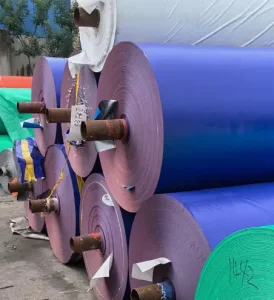
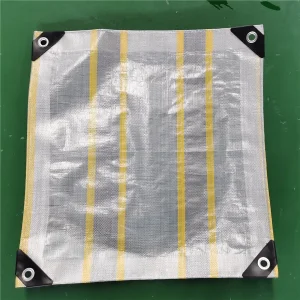
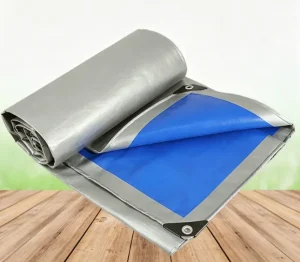
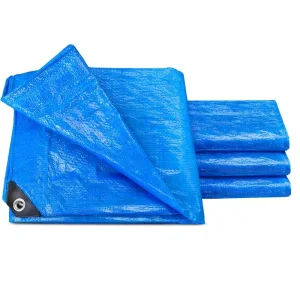
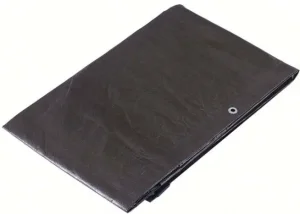
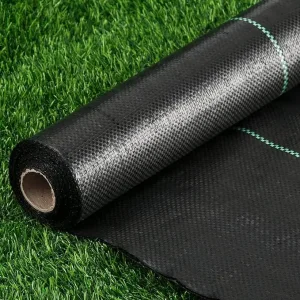
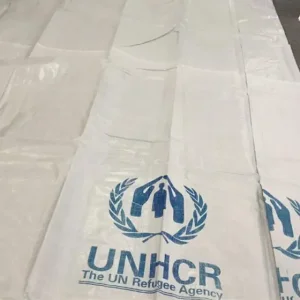
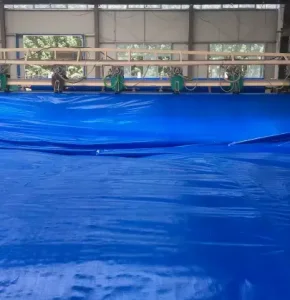
In the contemporary global polymer trade, Polypropylene (PP) stands as a foundational thermoplastic polyolefin, engineered via the coordination polymerization of propylene monomer. Known for its exceptional strength-to-weight ratio, structural rigidity, chemical inertness, and elevated melting point (~165°C), semi-crystalline polypropylene has evolved into the definitive choice for heavy industrial fabrics, flexible intermediate bulk containers (FIBCs), agricultural geotextiles, and multi-layer protective membranes.
As international supply chains face increasing climate volatility and stringent ESG mandates, global demand for technical-grade PP woven fabrics and polyolefin laminates is projected to exceed USD 14.5 Billion by 2030. Modern B2B procurement leaders no longer seek generic commodity suppliers; they require strategic original equipment manufacturers (OEMs) capable of engineering custom resin formulations, integrating advanced UV stabilization matrices, and maintaining tight physical tolerances across large-scale extrusion runs.
Integrating Post-Consumer Recycled (PCR) PP resin into heavy-duty tarpaulins requires precise Melt Flow Index (MFI) management. While virgin isotactic PP guarantees optimal tensile modulus, our proprietary co-extrusion technologies allow up to 30% PCR blending without compromising burst pressure resistance or seam tear strength.
The operational longevity of polypropylene tarpaulin rolls and sheets depends fundamentally on molecular orientation and chemical additives during extrusion. Polypropylene is inherently susceptible to photo-oxidative degradation when exposed to solar Ultraviolet (UV) radiation, which initiates chain scission and micro-cracking across tertiary carbon bonds.
To neutralize solar weathering, Linyi Xinshengyang Plastic Products Co., Ltd. (Star Tarpaulins) formulates custom resin matrices incorporating Hindered Amine Light Stabilizers (HALS) synergized with titanium dioxide (TiO2) solar reflectors. HALS additives act as free-radical scavengers, terminating photo-oxidation cycles and enabling PP woven fabrics to retain over 80% of their structural tensile strength after 3,000 hours of accelerated Xenon-arc exposure (ASTM G154 protocols).
Biaxial orientation of extruded tape stretches polymer chains linearly, boosting tenacity up to 7.0 g/denier for extreme burst resistance under heavy dynamic loads.
With a Vicat softening point significantly higher than Polyethylene (PE), PP tarpaulins retain structural rigidity in high-temperature environments reaching up to 100°C.
Hydrophobic polyolefin matrix provides natural resistance against organic solvents, acidic soils, alkaline runoff, microbial fungi, and industrial oils.
From raw virgin granule feeding to high-speed circular weaving and ultrasonic hem sealing, every stage is controlled in-house to ensure zero defects.
Virgin PP/PE resins melt at high temperatures with UV masterbatch to form high-tenacity primary flat films.
Films are slit into micro-tapes and water-bath stretched to optimize molecular alignment and denier strength.
Water-jet and circular looms interlock warp and weft tapes into high-density substrates (8x8 to 14x14 mesh counts).
Dual-side extrusion coating seals weave voids, establishing 100% hydrostatic water tightness.
Automated cutting lines slice master rolls into customer-specified dimensions with minimal edge fraying.
High-temperature air welders fuse multi-layer hems over continuous PP reinforce ropes for high wind-shear tolerance.
Heavy-duty aluminum or brass eyelets are punched at specified intervals (50cm/100cm) alongside corner patch shields.
Hydrostatic head, tear strength, and burst tests verify batch compliance before export container loading.
An objective comparison of polymer physical properties to guide commercial specification and procurement decisions.
| Performance Metric | Polypropylene (PP) Woven | Polyethylene (PE) Coated | Polyvinyl Chloride (PVC) Knife Coated |
|---|---|---|---|
| Tensile Strength / Weight Ratio | Highest (Optimal) | Moderate to High | Moderate (Heavy Substrate) |
| Melting Point Range | 160°C – 165°C | 120°C – 135°C | Softens at 80°C (Thermoplastic) |
| Flexural Rigidity & Stiffness | High (Self-Supporting) | Flexible to Semi-Rigid | Highly Flexible / Supple |
| Recyclability & Circularity | 100% Monomaterial Recyclable | 100% Recyclable (PE) | Complex (Requires Chlorine Separation) |
| Typical Weight Range (GSM) | 60 – 260 GSM | 60 – 300 GSM | 450 – 900 GSM |
| Cost-to-Durability Index | Most Economical | Balanced Commercial Choice | Premium Industrial Investment |
Technical polyolefin fabrics serve as vital protective infrastructure across global supply networks. By adjusting weaving metrics, coating thicknesses, surface treatments, and masterbatch colorations, Star Tarpaulins delivers engineered solutions across critical sector categories:
Breathable yet rainproof PP/PE grain-drying tarpaulins, silage caps, and hay covers protect crop yields from dampness, mold formation, and UV degradation during field curing.
Woven polypropylene geotextile ground covers provide sub-base stabilization, weed barrier control, soil separation, and erosion prevention for commercial driveways and roadways.
Heavy-duty reinforced PE/PP truck covers, container tarps, and side curtains withstand high-speed highway wind shear, sharp freight corners, and abrasive weather conditions.
Designed for humanitarian agencies (UNHCR/Red Cross specifications), rapid-deployment waterproof shelter sheets feature lightweight durability and reinforced corner grommets.
High-visibility blue/orange construction site covers shield workers, enclose scaffolding frameworks, contain debris dust, and assist concrete curing phases.
High-tenacity polypropylene woven fabrics are converted into FIBC bulk bags, heavy-duty PE waste bags, and layflat irrigation hoses for low-cost agricultural fluid transport.
The technical polyolefins sector is undergoing a rapid evolution driven by circular economy mandates, smart material integration, and advanced polymer synthesis. As a proactive wholesale manufacturer, Star Tarpaulins commits R&D resources to four principal technological fronts:
Traditional multi-material tarpaulins (e.g., polyester base with PVC coating) present recycling challenges. Our future-focused development prioritizes 100% Polypropylene monomaterial compositions (PP woven substrate + PP extrusion lamination), allowing complete mechanical recycling into re-usable plastic pellets without polymer separation.
Partnering with global petrochemical innovators, we are testing bio-attributed polypropylene resin derived from tall oil and waste cooking oil feeds. This drop-in solution reduces cradle-to-gate carbon footprints by up to 65% while maintaining identical molecular chain properties and tensile resilience.
Next-generation freight tarpaulins will incorporate RFID micro-tags and conductive thread grids into the PP weave, enabling real-time integrity monitoring, automated logistics tracking, and instantaneous breach detection for high-value cargo transport.
Explore our full OEM product matrix available for container-load wholesale orders.
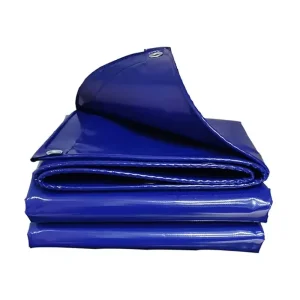
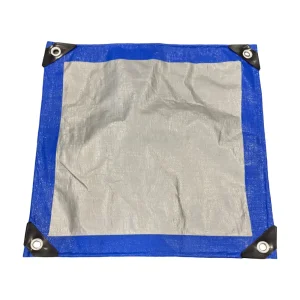
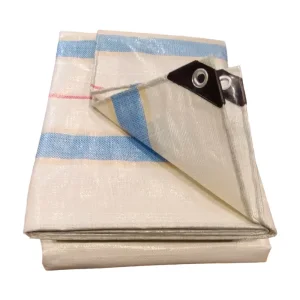
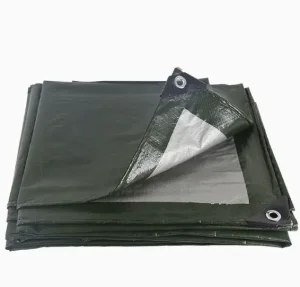
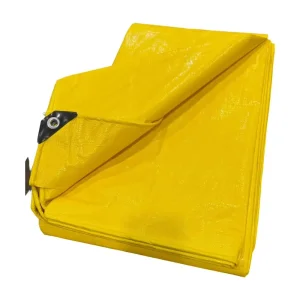
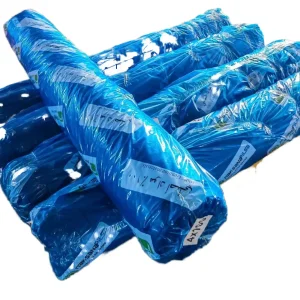
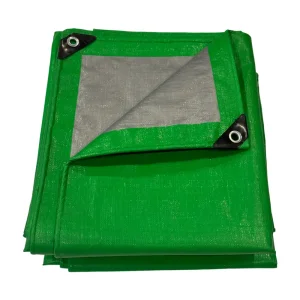
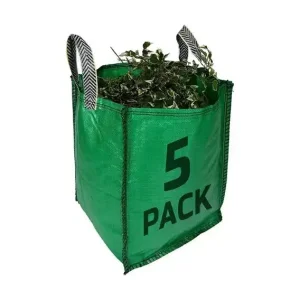
Engineering solutions and ordering protocols detailed by our senior polyolefin experts.
Connect directly with our engineering and export team in Linyi, China. Request detailed technical datasheets, factory-direct pricing, or physical sample swatches delivered within 3 business days.