Explore our factory-direct polyethylene and polyvinyl chloride (PVC) technical fabrics manufactured with precise weave density, flame retardancy, and UV-stabilized resin formulations.
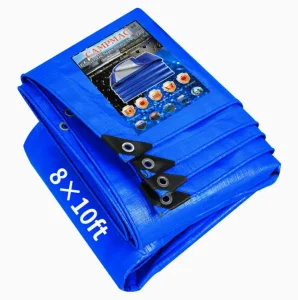
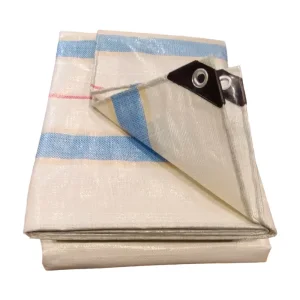
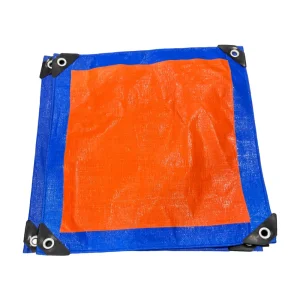
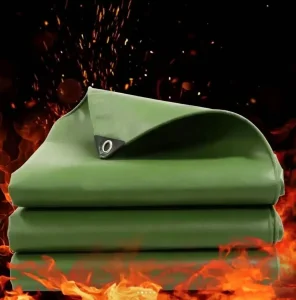
The international market for industrial protective fabrics—spanning Polyvinyl Chloride (PVC), High-Density Polyethylene (HDPE), and Polypropylene (PP)—is undergoing a structural evolution driven by intermodal logistics expansion, extreme weather mitigation, and stringent environmental compliance.
Over 42% of global PVC tarpaulin production is consumed by the transportation sector. Side-curtains for semi-trailers, container liners, and flatbed covers demand high tensile knife-coated PVC with minimum tear resistance of 250N/5cm to withstand highway wind dynamics and cargo friction.
Rapid urbanization across Southeast Asia, North America, and the Middle East has intensified demand for flame-retardant (DIN 4102 B1) scaffolding containment sheets, temporary roof shields, and heavy-duty ground underlayments designed for multi-year project lifespans.
Agricultural applications require specific formulation chemistry: UV-stabilized PE/PVC composite tarps prevent degradation under high solar radiation index (SRI), protecting grain stockpiles, silage pits, and temporary water containment ponds from severe environmental evaporation.
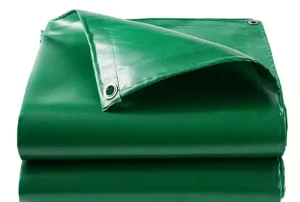
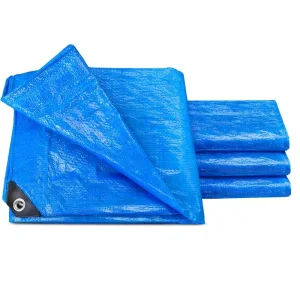
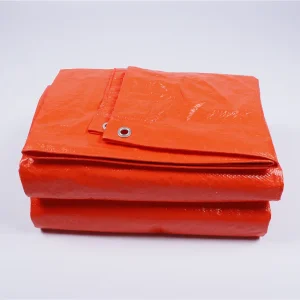
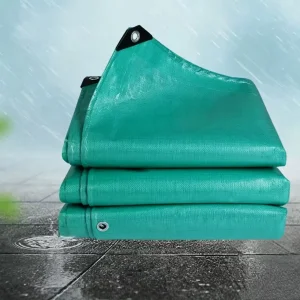
B2B buyers frequently confuse general Polyethylene (PE) tarps with Polyvinyl Chloride (PVC) industrial membranes. While standard PE tarps (60–300 GSM) rely on high-density polyethylene tapes laminated with low-density polyethylene for light-to-medium protective shielding, heavy-duty PVC tarpaulins (450–900+ GSM) consist of high-tenacity polyester woven scrims liquid-coated with plasticized PVC resin, offering superior puncture resistance, flexural fatigue resistance, and hot-air weldability for long-term structural installations.
Understanding technical metrics is critical when procuring commercial-grade tarpaulins. The table below outlines key engineering performance parameters comparing PE, PP, and PVC industrial tarpaulin grades.
| Performance Parameter | PE Tarpaulin (Standard/Heavy) | PP Tarpaulin (High Tensile) | PVC Coated Tarpaulin (Industrial) |
|---|---|---|---|
| Base Polymer Substrate | HDPE (High-Density Polyethylene) | Polypropylene Woven Scrim | High-Tenacity Polyester (1000D/1500D) |
| Coating Material | LDPE Double Lamination | PP / PE Melt Lamination | Knife-Coated Liquid PVC + PVDF Finish |
| Fabric Weight Range (GSM) | 60 g/m² – 300 g/m² | 90 g/m² – 350 g/m² | 450 g/m² – 950 g/m² |
| Tensile Strength (Warp/Weft) | 600 / 500 N/5cm (approx.) | 1100 / 950 N/5cm | 2500 / 2300 N/5cm (ISO 1421) |
| Hydrostatic Pressure Head | 1,500 – 3,000 mm H₂O | 2,000 – 4,000 mm H₂O | > 10,000 mm H₂O (100% Waterproof) |
| Temperature Resistance | -20°C to +70°C | -10°C to +80°C | -30°C to +70°C (Cold Crack Resistant) |
| Flame Retardancy Standard | Optional CPAI-84 | Optional Standard FR | DIN 4102 B1 / B2, NFPA 701, EN 13501-1 |
| Expected Service Lifespan | 6 to 24 Months (Climate Dependent) | 1 to 3 Years | 5 to 10+ Years (Outdoor Exposure) |
Unstabilized polyolefins degrade under solar UV-A and UV-B radiation via photo-oxidation. Our manufacturing process incorporates Hindered Amine Light Stabilizers (HALS) and Carbon Black UV masterbatch dosages calculated specifically for the destination climate (ranging from 2% to 5% active formulation), guaranteeing mechanical integrity up to 300 Kly (Kilotangleys).
To ensure flexibility in extreme sub-zero conditions, our heavy-duty PVC tarpaulins utilize high-molecular-weight DINP/DIDP plasticizers augmented with cold-crack modifiers. Surface treatments include Acrylic or PVDF lacquering that repels environmental pollutants, preventing dust adhesion and simplifying maintenance.
Our converted tarpaulin sheets feature high-frequency (HF) dialectic welding and hot-air hem sealing. Built-in high-tensile polypropylene reinforcement ropes along perimeter hems combined with nickel-plated brass or extruded aluminum eyelets positioned at 50 cm intervals maximize pull-out force resistance under stormy conditions.
Linyi City in Shandong Province stands as China's premier industrial logistics and plastic processing hub. Operating within this concentrated manufacturing cluster grants distinct technical, cost, and lead-time advantages to global B2B procurement partners.
From initial virgin resin polymer extrusion and tape drawing to high-speed circular weaving, double-side extrusion lamination, and automated eyelet punching—every manufacturing step occurs in-house across our 30,000 m² facility. This eliminates intermediary markups and guarantees rigorous batch-to-batch quality control.
Linyi is recognized as the logistics capital of Northern China, situated in close proximity to major deep-water ports like Qingdao Port and Lianyungang Port. Direct container dispatch networks enable rapid shipping turnarounds, lowering inland freight overheads by up to 15% compared to inland facilities.
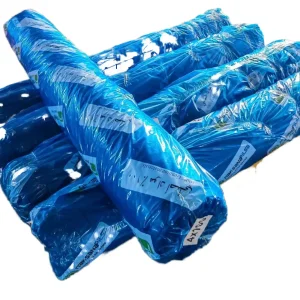
International distributors benefit from our flexible container consolidation program. Importers can combine custom-cut PE sheet covers, PVC tarp rolls, weed barrier fabrics, and layflat irrigation hoses within a single 40ft High Cube container, optimizing inventory turnover and reducing warehousing risk.
Engineered tarpaulin fabrics play a crucial role across commercial, industrial, and municipal infrastructure. Below are field-tested application matrices detailing functional requirements.
Recommended Spec: 650 GSM to 900 GSM PVC Coated Tarpaulin (1000D×1000D, 20×20 panama weave).
Used on heavy commercial trailers operating across European, North American, and Australian transport routes. High abrasion resistance, gloss acrylic lacquer topcoats for anti-soiling, and high-frequency welded tension straps protect high-value freight from road debris and water ingress.
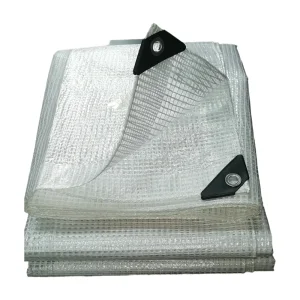
Recommended Spec: 180 GSM to 230 GSM PE Tarpaulin (White/Blue, UV 4%, Flame retardant option).
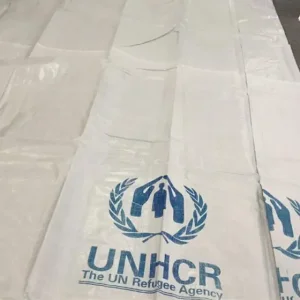
Procured by international relief organizations and municipal authorities for emergency roof coverage and family shelter kits following extreme weather events. Features high tear strength relative to weight, reinforced triangle corners, and compact folding for air-drop deployment.
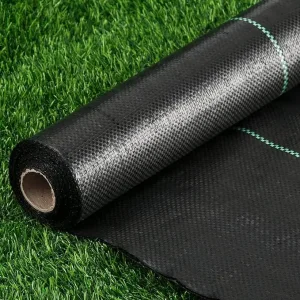
Recommended Spec: 120 GSM to 200 GSM PE / PP Mesh Tarpaulin & Woven Weed Barriers.
Deployed in commercial horticulture for soil weed suppression, silage wrapping, and hay bale preservation. High UV protection guarantees multi-season field usage while allowing precise thermal insulation for crops and soil microclimates.
Recommended Spec: 500 GSM to 750 GSM Heavy Duty PVC Membrane.
Engineered for bio-safe fish farming ponds, industrial slurry pits, and municipal rain harvest reservoirs. Chemically non-toxic formulations prevent heavy metal leaching while providing complete impermeable protection against soil seepage.
Recommended Spec: 750 GSM to 1100 GSM PVDF Top-Coated PVC Membrane.
Designed for permanent and semi-permanent clear-span structures, event marquee roofs, and stadium shade canopy systems. Provides high light opacity (blackout layer options) alongside flame resistance compliant with European standard EN 13501-1.
Recommended Spec: 500 GSM Fireproof PVC Acoustic Sheets.
Applied along urban highway construction projects and heavy industrial sound abatement curtains. Reduces airborne sound transmission while satisfying municipal fire safety standards on active worksites.
The industrial tarpaulin sector is undergoing rapid chemical and technological innovation to align with global net-zero targets and circular economic frameworks.
Traditional phthalate plasticizers (DOP/DEHP) are increasingly replaced by non-phthalate DOTP and bio-based plant oils derived from castor and soybean derivatives. This shift ensures full compliance with European Union REACH and RoHS 3.0 regulations without compromising low-temperature flexibility.
Composite material recycling remains a challenge. Next-generation mono-material Polypropylene (PP) tarpaulins utilize PP woven fabric combined with polyolefin lamination, enabling 100% mechanical recycling into raw granules without thermal or chemical fabric separation.
Advanced architectural membranes feature micro-coatings of Titanium Dioxide. Under solar UV exposure, TiO₂ acts as a photocatalyst that breaks down organic grime, smog nitrogen oxides (NOx), and industrial particulate matter, yielding self-cleaning surface performance.
To ensure imported tarpaulin shipments satisfy localized commercial regulations, buyers should institute a structured 5-point quality audit framework prior to container dispatch.
Direct technical responses addressing common procurement queries raised by global importers, wholesalers, and project contractors.
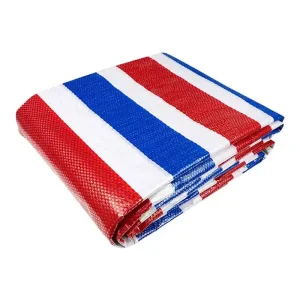
Explore additional specialized tarpaulin specifications, including multi-stripe general covers, anti-UV grid screens, rolls, and woven landscape geotextile fabrics.