Explore our core manufacturing line of PE, PP, and PVC heavy-duty tarpaulins, engineered for maximum tensile strength, all-weather durability, and long-haul freight containment.
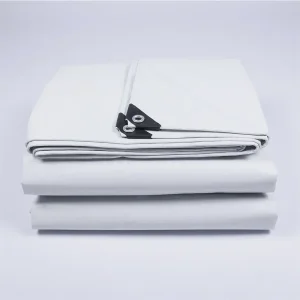
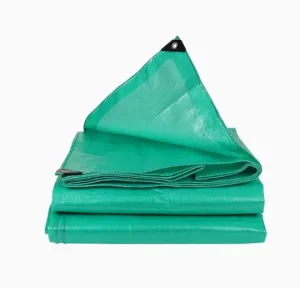
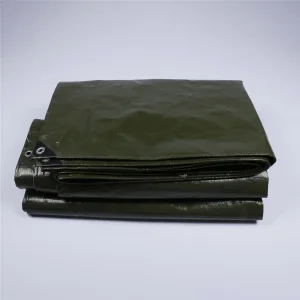
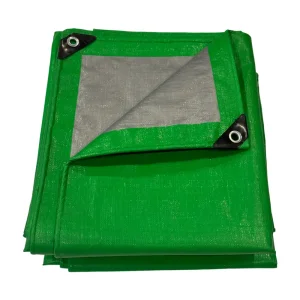
In modern international freight forwarder networks, cross-border trucking logistics, and intermodal transport systems, physical asset protection during transit is a paramount driver of operational margin preservation. Cargo exposed to extreme atmospheric stress—ranging from high-intensity solar UV exposure in Middle Eastern corridors to sub-zero moisture accumulation during trans-Siberian rail transit—requires advanced polymer barrier textiles. Wholesale procurement teams, fleet operations directors, and industrial distributors no longer view tarpaulins as disposable commodities, but as high-engineered protective covers that directly impact Total Cost of Ownership (TCO) and cargo claims mitigation.
Key Strategic Insight: Field data indicates that improper cargo securing and substandard barrier fabrics account for up to 23% of secondary freight damage claims in open-flatbed and intermodal transport. Polymer cross-lamination and UV stabilizer additive masterbatches provide the critical tensile barrier required to maintain zero-water ingress across extended transits.
Dual-side extrusion lamination provides an impenetrable water barrier tested up to >100 kPa hydrostatic pressure, guarding moisture-sensitive cargo such as grain, dry chemicals, and electronics.
Compounded with 3% to 5% Hindered Amine Light Stabilizers (HALS), our woven fabrics maintain high tensile retention even under sustained irradiance exceeding 180 kLy/year.
Engineered via high-density polyethylene (HDPE) tape drawing and circular loom weaving technology to prevent catastrophic tear propagation under high-speed highway wind shear.
Linyi Xinshengyang Plastic Products Co., Ltd. (Star Tarpaulins) delivers world-class polymer manufacturing backed by verified ISO quality management systems.
Selecting the correct polymer substrate is critical when matching protective tarpaulins to specific transportation modes, weight budgets, and climatic hazards. Below is a comparative technical breakdown of Polyethylene (PE), Polypropylene (PP), and Polyvinyl Chloride (PVC) textiles manufactured at our Linyi facilities.
| Material Type | GSM Range | Tensile Strength (Warp/Weft) | Cold Crack Resistance | Primary Transportation Use Case |
|---|---|---|---|---|
| PE (Polyethylene) | 60 – 300 GSM | 800 N/5cm – 1600 N/5cm | -40°C Excellent Flexibility | Intermodal tarps, grain drying, light trailer covers, temporary scaffolding covers |
| PP (Polypropylene) | 70 – 220 GSM | 950 N/5cm – 1800 N/5cm | -10°C Moderate Flexibility | High-rigidity weed barriers, heavy-duty cargo liners, aggregate transport covers |
| PVC (Polyvinyl Chloride) | 450 – 900 GSM | 2200 N/5cm – 3800 N/5cm | -30°C (with flex-additives) | Heavy truck side curtains, long-haul fleet flatbed covers, semi-trailer enclosures |
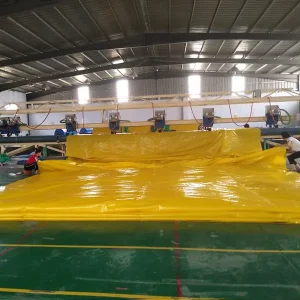
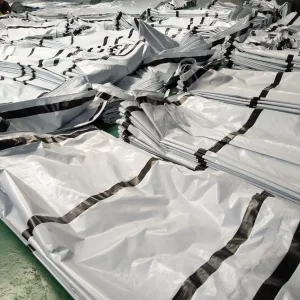
Our vertically integrated plant eliminates outsourcing variations by housing tape extrusion, flat/circular loom weaving, double-sided low-density polyethylene (LDPE) coating, continuous heat-sealing, and automated eyelet punching within a unified quality control architecture. Each batch undergoes rigorous testing for GSM uniformity, tear strength, and hydro-burst resistance prior to containerization.
Linyi is widely recognized as the logistics capital of Northern China and one of the world's most dense manufacturing clusters for woven plastic products. For international procurement managers, sourcing directly from Linyi offers unique operational synergies:
Direct pipeline integration with major domestic petro-chemical resin producers guarantees a stable supply of virgin HDPE and PP resins. This insulates global B2B buyers from extreme spot-market volatility.
Situated within short trucking distance to major deep-water seaports—Qingdao Port and Lianyungang Port—our facility achieves rapid vessel loading, container consolidation, and flexible export dispatch.
From raw granule formulation to high-speed weaving, custom color masterbatch compounding, automated grommet installation, and specialized retail packaging, every step is governed under one roof.
Global logistics networks and commercial trailer manufacturers require custom-engineered protective covers tailored to exact structural dimensions, tensioning hardware, and regional branding standards.
We simplify global sourcing for corporate buyers by providing complete transparency at every stage of the manufacturing cycle:
Our engineered tarpaulins are actively deployed across demanding commercial landscapes globally:
High-temperature degradation and intense UV radiation rapidly destroy un-stabilized plastics. Our 5% UV masterbatch-infused PE tarpaulins withstand continuous ambient temperatures up to 50°C and sandstorm abrasion in Gulf GCC highway networks.
Compliance with DIN EN 12641-2 standards for curtainside trailers requires exceptional tearing force and flame-retardant properties. Our PVC knife-coated fabrics provide the structural integrity required for rapid side-loading operations.
Protects harvested grain, hay stacks, and cash crops during open-air highway transport against sudden tropical downpours and pest contamination, maintaining post-harvest quality.
Navigating international import regulations requires stringent material certification. Star Tarpaulins maintains full compliance with global chemical and physical safety standards, assisting importers with smooth customs clearance:
Free from Substances of Very High Concern (SVHC), heavy metals, and restricted plasticizers, satisfying strict European Union chemical mandates.
Compliant with hazardous substance restrictions, enabling eco-friendly disposal and recycling profiles for logistics operators.
Standardized test procedures applied for grab breaking strength, bursting strength, and hydrostatic resistance verification.
Specialized FR additive formulations available upon request for high-risk chemical transport and covered storage tents.
As environmental regulations tighten and logistics digitization accelerates, the transportation fabric industry is undergoing rapid technical evolution. B2B buyers should prepare for three core market shifts:
Transitioning from composite non-recyclable materials to 100% Polyolefin monomaterial tarpaulins (100% PE woven fabric + PE coating) enables total post-use mechanical recycling without polymer separation.
Using ultra-high-tenacity resins allows manufacturers to reduce fabric GSM by 15% while maintaining equivalent tensile strength, directly reducing tare weight and fleet fuel consumption.
Advanced silver-coated and multi-layer metallic-pigment laminations reflect up to 85% of solar radiation, reducing ambient cargo temperature under tarps during heat-sensitive agricultural transits.
Explore our specialized products engineered for agricultural covering, pet shelter protection, multi-purpose sunproofing, and heavy-duty roofing applications.
Direct responses engineered from two decades of factory manufacturing and global supply chain fulfillment.
For temporary site covers and light hardware retail, 60–120 GSM PE tarps with 8x8 mesh density provide adequate waterproof protection at minimal weight. For long-haul flatbed truck covers exposed to extreme wind shear, we recommend 180–300 GSM PE (12x12 or 14x14 mesh density) or heavy-duty 550–700 GSM PVC coated textiles with reinforced welded hems and stress patches.
We compound virgin HDPE resins with 3% to 5% Hindered Amine Light Stabilizers (HALS) directly during the extruding tape process. This ensures uniform chemical integration throughout both the inner woven mesh and outer LDPE lamination layers, delivering 2 to 5 years of continuous outdoor lifespan depending on regional UV radiation indices.
For standard stock specifications, our MOQ starts at 1x20ft container mix. For custom GSM, specialized color combinations, or OEM printed packaging, the minimum order is 3 metric tons per specification. Standard production lead time is 15 to 25 days following sample approval and deposit confirmation.
Yes. We routinely work with international testing agencies including SGS, Bureau Veritas, and TÜV. We issue comprehensive batch inspection reports covering warp/weft tensile strength, tear resistance, hydrostatic head pressure, and color fastness before loading.
PE woven layflat hoses are significantly lighter (up to 50% weight reduction compared to traditional rubber/PVC hoses), making them easier to deploy, store, and transport over large agricultural acreage. They exhibit superior cold-crack resistance (-40°C) and higher resistance to chemical fertilizers without plasticizer leaching.
Contact our engineering sales department today to request custom product specifications, factory-direct quotations, and physical sample kits.