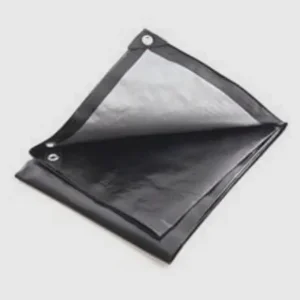
Direct-from-factory solutions engineered for structural longevity, extreme weather tolerance, and dynamic load security.
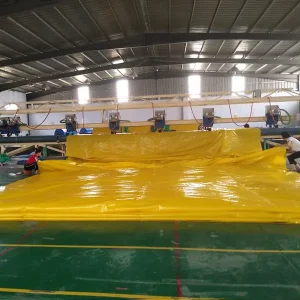
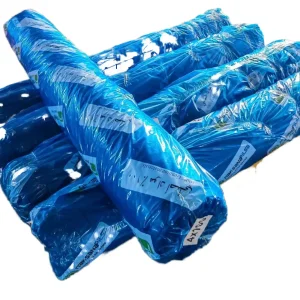
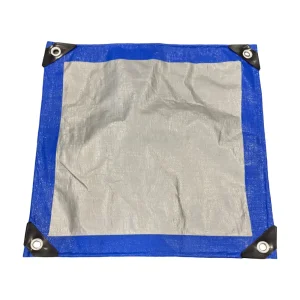
A comprehensive engineering standard and procurement benchmark for fleet managers, OEM trailer fabricators, and global industrial distributors.
Modern commercial logistics and bulk material handling demand continuous operational efficiency, regulatory compliance, and maximum protection against atmospheric degradation. The global rolling tarp system market has evolved from basic manual tie-down tarpaulins into highly engineered, mechanized, and automated load containment assemblies. Designed primarily for open-top hoppers, grain trailers, dump trucks, construction haulers, and flatbed freight systems, rolling tarp mechanisms mitigate cargo loss, optimize fuel economy by reducing aerodynamic drag, and significantly enhance operator workplace safety by eliminating the need to physically climb onto trailer beds.
When sourcing from a **rolling tarp system factory**, enterprise procurement officers must differentiate between material chemistries to ensure operational performance matches environmental stresses.
Constructed via woven HDPE scrim laminated on both sides with low-density polyethylene (LDPE). Ranging from lightweight 60 GSM to heavy-duty 300 GSM options. Offers exceptional tensile strength relative to weight, cost efficiency, high flexural fatigue resistance, and 100% recyclability. Ideal for agricultural grain transport, temporary site roofing, and mid-range commercial hauling.
Utilizing high-tenacity polyester filament yarns (1000D x 1000D woven base fabric) embedded in knife-coated or hot-melt laminated PVC formulations (450 GSM to 900 GSM). Delivers maximum puncture resistance, extreme abrasion resistance against rough aggregate/metal scrap, chemical resistance, and superior self-extinguishing fire-retardant performance (B1/M2 certifications).
Solar degradation caused by UV-A and UV-B spectrum radiation weakens polymer chain bonds, causing premature cracking and shedding. Factory-level formulation integrates Hindered Amine Light Stabilizers (HALS) at a 3% to 5% loading rate, preserving fabric flex-life under intense desert sunlight (Middle East, Australia, Arizona) for upwards of 36 to 60 months of continuous field service.
| Performance Indicator | Standard PE Tarp (16 Mil / 240 GSM) | Heavy-Duty PVC Tarp (650 GSM) | Industrial Rolling Tarp System Grade |
|---|---|---|---|
| Tensile Strength (Warp / Weft) | 1200 N / 1100 N per 5cm | 2500 N / 2300 N per 5cm | > 3200 N / 3000 N per 5cm |
| Tear Resistance (Trapezoidal) | 140 N / 130 N | 300 N / 280 N | > 450 N / 400 N |
| Hydrostatic Head Pressure | > 5,000 mm H₂O | > 10,000 mm H₂O | > 15,000 mm H₂O (100% Watertight) |
| Temperature Tolerance | -20°C to +70°C | -30°C to +70°C | -40°C to +85°C (Cold-Crack Rated) |
| Abrasion Endurance (Taber Test) | Moderate (500 Cycles) | High (2,000 Cycles) | Ultra-High (> 5,000 Cycles) |
How Linyi, Shandong’s manufacturing hub delivers unprecedented economies of scale, vertical integration, and cost predictability for global buyers.
Sourcing directly from premier Chinese **rolling tarp system factories** grants international enterprise buyers structural strategic edges. Located within key industrial centers such as Linyi City, Shandong Province, production facilities operate within a completely closed-loop industrial cluster.
Factories directly pull virgin resin feedstocks (SINOPEC & PetroChina virgin PP/HDPE granules) into high-speed extrusion drawing lines. Raw virgin tape extrusion, water-jet weaving looms, hot-roll lamination, high-frequency welders, auto-drilling grommet stations, and retail packaging are conducted under a single roof, avoiding third-party margin stacking and quality variance.
Beyond fabric rolls, top-tier factories manufacture complete rolling tarp hardware kits—including extruded aluminum roll tubes, front tension bows, anti-sail retention systems, ratchet tie-downs, rubber flex-bungees, and electric 12V/24V worm-gear motor drives—offering plug-and-play assembly options for trailer OEMs.
Navigating international transportation standards, environmental mandates, and field operations across disparate market sectors.
Global fleet operations require strictly compliant tarping systems to prevent roadside citations, environmental spillage fines, and cargo loss liability claims. Wholesale procurement must adhere to regional legal frameworks:
Under US Federal Motor Carrier Safety Administration (FMCSA) and Canadian NSC Standard 10, open-top trailers carrying loose aggregate, grain, or waste must utilize fully secure cover assemblies. Rolling tarps engineered with double-stitched webbing or heat-welded seams prevent wind-lift shedding, maintaining highway safety standards across interstate routes.
EU importers require strict compliance regarding chemical plasticizers in PVC and PE tarpaulins. Advanced production lines eliminate heavy metals (Lead/Cadmium) and SVHC phthalates, ensuring products comply with REACH regulations while maintaining fire retardancy to DIN 4102 B1 and EN 13501-1 standards.
Reliable China factories provide OEM drawing validation, CAD schematics for custom trailer dimensions, custom retail labeling, drop-shipping capabilities, and dedicated technical support to assist local distributors with field warranty replacements and spare parts distribution.
Targeted tarp system designs adapted to specific operational environments and material characteristics.
During harvest season, grain hoppers require rapid rolling tarp deployment to shield moisture-sensitive wheat, corn, and soybeans from sudden rainstorms. Breathable or 100% waterproof food-grade PE tarpaulins prevent mold proliferation while facilitating smooth side-roll operation across trailer bows.
Carrying crushed stone, asphalt, sand, and demolition debris subjects tarps to sharp impacts and high mechanical friction. Heavy-duty 18 Mil PE or 650 GSM PVC rolling tarps feature reinforced double-rope hems and corner tear-stop pads to withstand punishing job-site conditions.
Environmental containment laws mandate zero-spill operation for municipal solid waste (MSW) and metal scrap transport. Heavy mesh rolling tarps allow airflow while containing light debris, whereas reinforced PVC covers completely seal toxic odors and leachate liquids during extended highway transit.
Rolling tarp systems mounted on flatbed step-frame trailers (often called Tarping Systems or Rolling Curtain Systems) transform open flatbeds into enclosed weather-tight vans within minutes, saving hours of manual hand-tarping labor per load.
The next generation of cargo protection is defined by smart automation, lightweight materials, and circular economy sustainability.
Modern fleets are rapidly upgrading from manual crank handles to integrated 12V/24V electric motor drives equipped with wireless RF remote controls and cab-mounted switches. Future systems interface directly with truck telematics, automatically deploying tarps when the vehicle exceeds 10 km/h or alerting dispatchers if a load is left uncovered.
Material R&D centers in China are pioneering graphene-doped Polyethylene coatings. Incorporating micro-graphene increases puncture resistance and UV endurance by up to 40% while reducing total fabric weight by 15%, lowering overall trailer gross weight and cutting fleet fuel consumption.
With environmental ESG goals driving corporate procurement, non-toxic, halogen-free, and 100% recyclable single-polymer tarps (where base weave and coating share identical Polyolefin chemistry) are replacing difficult-to-recycle multi-material composites, enabling simple melt-reprocessing at the end of product life.
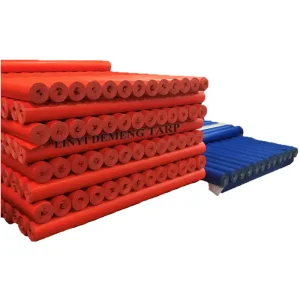
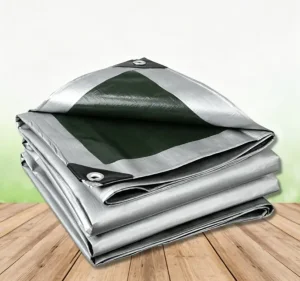
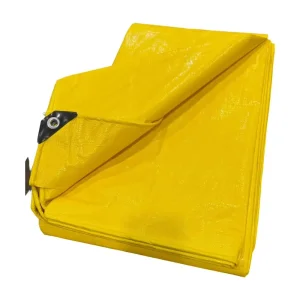
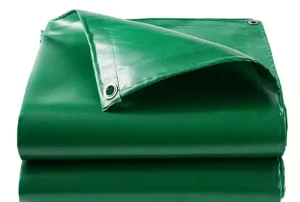
Explore our factory-direct inventory available for volume OEM orders and global containerized shipping.
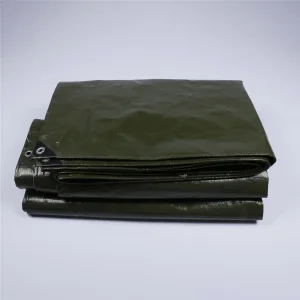
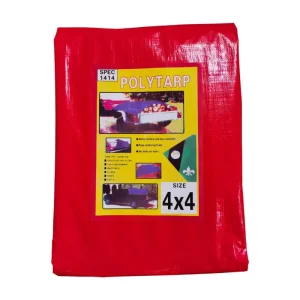

How leading manufacturing partners verify performance metrics prior to container sealing.
To eliminate field failures, leading **rolling tarp system factories** execute a rigorous 6-stage Quality Assurance (QA) protocol for every commercial batch:
Incoming HDPE/PP resins undergo Melt Flow Index (MFI) testing and moisture analysis to ensure consistent polymer chain lengths during film blowing and filament drawing, preventing micro-brittleness.
Optical laser counters verify warp and weft thread counts per inch (e.g., 10x10, 12x12, 14x14 mesh). Precise denier control guarantees uniform strength distribution across large multi-meter sheets.
Double-side PE coating layers undergo peel-strength testing. Finished fabric samples are subjected to high hydrostatic head pressure (>10,000mm H₂O) to ensure zero water penetration along seams and flat surfaces.
Thermal hot-air welded joints and high-frequency welded hems are destructive-pull tested. Heavy-duty aluminum and brass eyelets, reinforced with internal plastic corner patches, must withstand pull forces exceeding 800 N.
Technical answers prepared by factory application engineers to assist purchasing directors and OEM partners.