
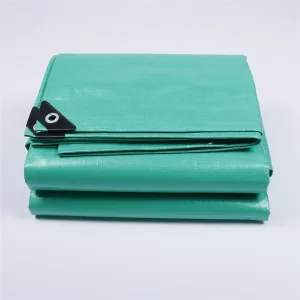
20,000 t
Annual Output Capacity
±3%
GSM High Precision Variance
60–900
Full GSM Range (PE/PP/PVC)
30+
Worldwide Export Sovereign Ports
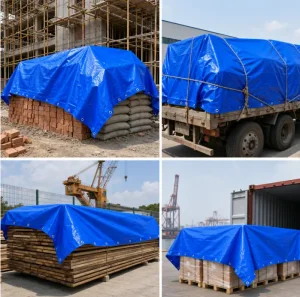
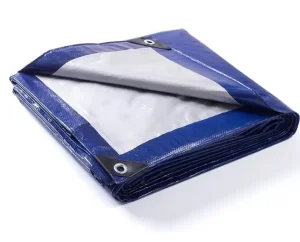
Featured Industrial Consignments
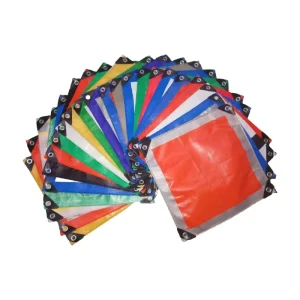
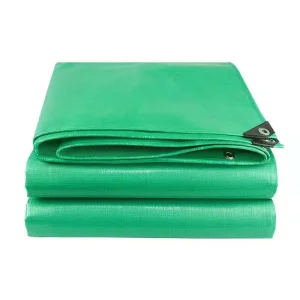
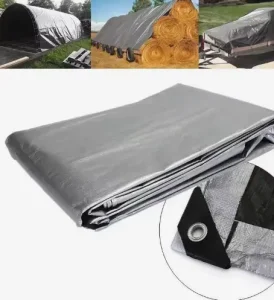
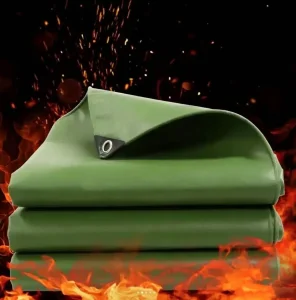
Heavy Duty Waterproof Tarpaulin Solutions — Production Range I
Standard and engineered woven polyethylene and PVC composite protective covers tailored for tier-1 supply chains, cross-border haulage, and critical storage.
Macro-Industry Evolution
Technological Transformation in Heavy Duty Waterproof Covers
From basic low-density polyethylene sheets to multi-axial reinforced, nano-coated functional barriers: understanding polymer science across modern heavy-duty applications.
Polymer Co-Extrusion Tech
Modern commercial tarpaulins integrate high-density polyethylene (HDPE) tape scrims wrapped in low-density polyethylene (LDPE) double-sided films. The transition toward tri-layer micro-extrusion improves tensile rupture resistance by 34% without increasing volumetric mass.
HALS Photostabilization
Ultraviolet degradation has traditionally shortened poly tarp outdoor lifespan. Modern formulations incorporate Hindered Amine Light Stabilizers (HALS) and rutile titanium dioxide, blocking UV radiation at 290–400 nm and extending outdoor field life beyond 36 months.
Hydrostatic Barrier Engineering
By employing mirror-finish calendar rollers and modified polyolefin blends, modern thermal coatings withstand hydrostatic water columns exceeding 100 kPa, completely preventing capillary moisture ingress even under standing rainwater pressure.
Global Procurement Intelligence
How Tier-1 Enterprises Source Heavy-Duty Tarps
B2B procurement professionals look beyond square-meter pricing, evaluating total cost of ownership (TCO), yarn denier, mesh density, and weld integrity.
| Evaluation Parameter | Commercial Trading Standard | Xinshengyang Industrial Standard | Operational Impact |
|---|---|---|---|
| Fabric GSM Tolerance | ±8% to ±12% (nominal weight) | ±3% Guaranteed Strict Limit | Eliminates structural shear failure and under-weight resin fraud. |
| Yarn Linear Density (Denier) | 500D – 750D blended rework | 850D – 1200D 100% Virgin HDPE | Provides 45% higher tensile resistance under heavy wind and tow forces. |
| Weave Mesh Density | 8x8 to 10x10 threads/sq inch | 12x12 to 16x16 threads/sq inch | Prevents pinholing, micro-punctures, and coating delamination. |
| Edge Hem Reinforcement | Single-fold heat seal, PP monofilament | Double-folded hem with extruded PE rope | Prevents perimeter grommet pull-out under tensioning cables. |
| UV Masterbatch Formulation | Unverified carbon blends | 3.5%–5.0% Basell/Ciba Anti-UV Masterbatch | Maintains material flexibility across harsh arid and sub-zero climates (-30°C to +70°C). |
Vertical Integration Edge
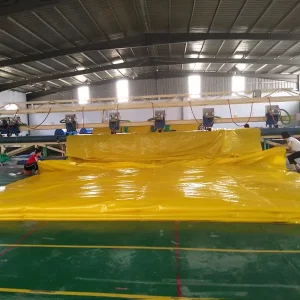
Full-Cycle Manufacturing Excellence Under One Roof
Direct factory control over every production stage eliminates intermediate markups while ensuring transparent traceability from resin hopper to shipping container.
01. Precision Tape Extrusion
Virgin polyethylene resin pellets are melted and extruded into high-tenacity flat tapes. Precision cooling and draw rollers orient polymer chains to maximize tensile breaking strength before bobbin winding.
02. High-Speed Circular Weaving
Our circular looms weave horizontal and vertical filaments into a balanced mesh matrix. Tightly controlled tension ensures structural uniformity, preventing local yarn shifting under dynamic loads.
03. Co-Extrusion Lamination
Woven core scrims pass through high-temperature coating lines where LDPE melts bond to both faces simultaneously. This creates a solid, watertight composite barrier free of surface bubbles or weak points.
04. Automated Finishing & QC
Automated cutting, dual-rope thermal edge folding, triangular gusset setting, and multi-sensor tension inspections confirm the mechanical performance of every tarpaulin before export packaging.
Cross-Sector Applications
Engineered Protection for Mission-Critical Environments
Tailoring weight, physical strength, and surface treatments to match real-world operating conditions across key global industries.
Logistics & Transport
Heavy-duty PVC (550–900 GSM) and 200–280 GSM PE formulations designed to endure highway wind shear, diesel particulate exposure, and continuous flex without cracking along side curtains or flatbed cargo wraps.
Agriculture & Bulk Storage
Specialized wide-width sheets (up to 6m seamless) featuring UV resistance and moisture barriers to protect grain stores, haystacks, and drying floors from fungal growth and precipitation damage.
Civil Engineering & Infrastructure
Flame-retardant (DIN 4102 B1/B2, NFPA 701) and cold-crack-resistant tarps designed for scaffolding enclosures, fresh concrete curing, temporary roof remediation, and soil stabilization.
Disaster Relief & Emergency Supply
High-yield, lightweight 80–120 GSM multi-season sheets produced to meet UN/UNHCR standards for rapid deployment, temporary shelter, and water retention systems during emergency recovery.
Global Standards
Quality Control, Testing & Export Compliance
Our facility operates an in-house materials testing laboratory that audits every production batch against internationally accepted ASTM, ISO, and EN methodologies.
Hydrostatic Head Testing
Tested in accordance with ISO 811 / AATCC 127. Our coatings maintain zero pinhole penetration under sustained water pressures of 100 to 200 cm H2O, keeping materials reliably dry.
Tensile & Tear Strength
Calibrated using ASTM D5034 (Grab Test) and ASTM D2261 (Tongue Tear) universal testing systems. We verify warp and weft stress resistance before signing off on final packing lists.
Accelerated UV Weathering
Conducted in ASTM G154 fluorescent UV condensation chambers. We evaluate gloss retention, color fidelity, and tensile strength over 1,200 hours of continuous cycling.
Chemical & Environmental Safety
Full compliance with EU REACH Regulation (EC 1907/2006), RoHS directives, and California Proposition 65, guaranteeing heavy-metal-free and SVHC-compliant polyolefins.
Future Outlook
Technical Roadmap & Circular Polymers (2025–2030)
Anticipating evolving environmental standards with next-generation single-polymer constructions and closed-loop recyclability.
100% Monomaterial Circular Tarps
Traditional coated fabrics present recycling challenges because they blend different base and coating polymers. We are standardizing pure PP/PP and pure PE/PE laminated systems to enable simple mechanical pelletizing at end-of-life without separation steps.
Post-Consumer Recycled Content (PCR)
Integrating 20% to 50% high-grade GRS-certified post-consumer resin into inner woven tapes while protecting tensile properties via specialized liquid antioxidant stabilizers.
PFAS-Free Hydrophobic Formulations
Proactively phasing out fluorinated treatments ahead of upcoming international bans, transitioning to pure polyolefin-based water repellency and bio-based surface coatings.
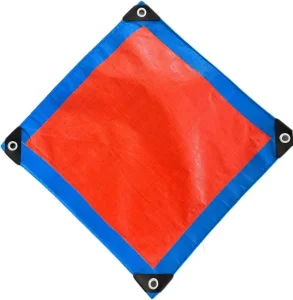
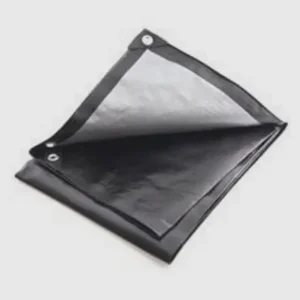
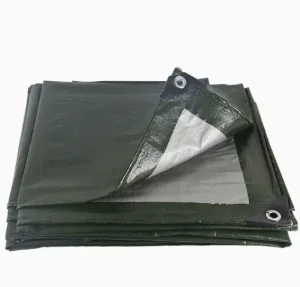
Factory Lineup — Production Range II
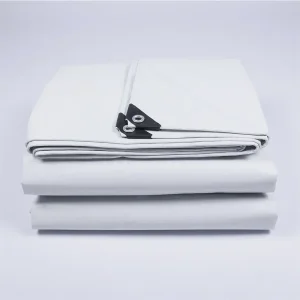
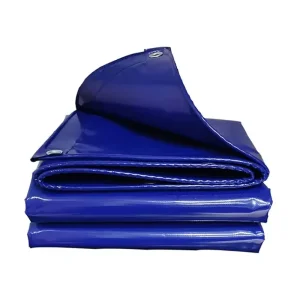
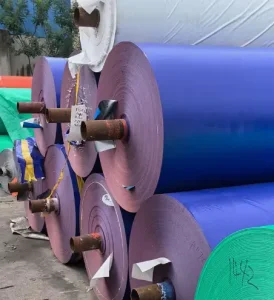
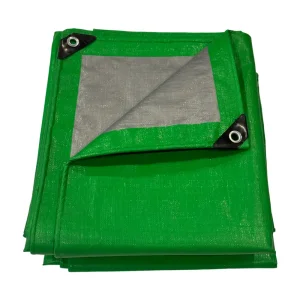
Wholesale Heavy Duty Protective Covers & Specialized Textiles
Rolls, sheets, tailored dimensions, and reinforced accessories configured to meet specific OEM commercial requirements.
Procurement & Technical Support
Frequently Asked Technical Questions (FAQ)
Direct technical guidance prepared by our plant engineering team to streamline commercial inquiries and project specifications.
What accounts for significant price variances among heavy-duty waterproof tarpaulins?
Cost variations are primarily driven by four factors: virgin vs. recycled resin ratios, actual vs. nominal GSM weight, UV masterbatch concentrations (0.5% vs. 3–5%), and perimeter reinforcement details. Budget tarpaulins frequently incorporate calcium carbonate fillers and scrap regrind that weaken the material, leading to premature chalking, cracking, and water leaks after limited outdoor sun exposure.
How do PE, PP, and PVC tarpaulins differ in industrial applications?
PE (Polyethylene, 60–300 GSM): Provides cost-effective, 100% waterproof protection suitable for building sites, seasonal agricultural storage, and general transport.
PP (Polypropylene, 90–260 GSM): Features higher tensile strength, reduced elongation, and improved temperature stability, making it well-suited for industrial bagging, liners, and long-term grain covers.
PVC (Polyvinyl Chloride, 500–900 GSM): Highly durable knife-coated fabric that can be high-frequency welded. It resists abrasion, fuels, and weather over 3 to 7 years, making it the standard choice for truck curtain sides, permanent tension marquees, and marine operations.
How does your plant maintain precise GSM tolerances within ±3%?
We run automated gravimetric dosing systems paired with real-time beta-gauge sensor monitoring on our extrusion lines. Real-time feedback adjusts the extrusion die lip automatically, preventing thick-and-thin edge variations and ensuring reliable square-meter weight and mechanical consistency across entire production runs.
What custom branding, colors, and retail packaging options do you offer?
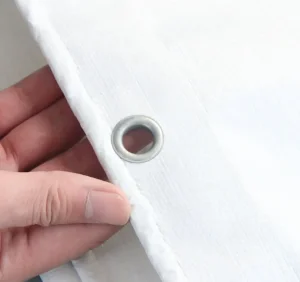
We support full OEM/ODM manufacturing, including flexographic surface printing for logos, bespoke masterbatch color matching (Pantone and RAL standards), custom eyelet pitch configurations (brass, aluminum, or polycarbonate), reinforced molded corners, multi-language retail card inserts, shrink-wrapping, and export palletization.
What are your standard factory lead times and primary shipping ports?
Production lead times for full 40HQ container loads typically range from 15 to 25 days following order confirmation and deposit receipt. We ship primarily through Qingdao Port (180 km from our factory) as well as Lianyungang and Shanghai, providing convenient direct access to major global shipping lanes.