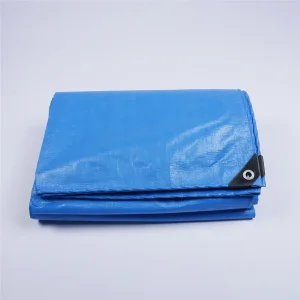
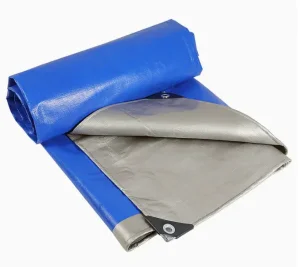
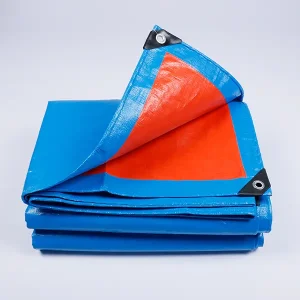
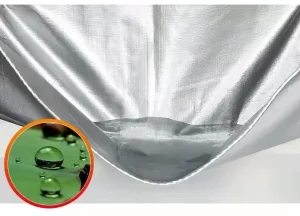
Direct factory supply featuring multi-layer polyethylene (PE), polypropylene (PP), and knife-coated PVC structures engineered for extreme mechanical shear, UV resilience, and 100% water impermeability.
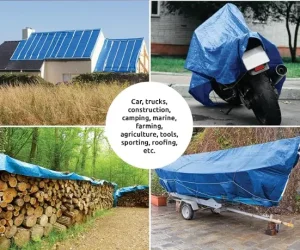
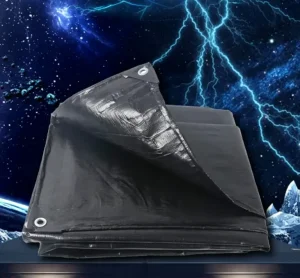
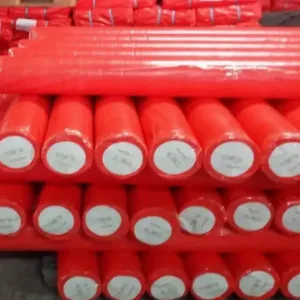

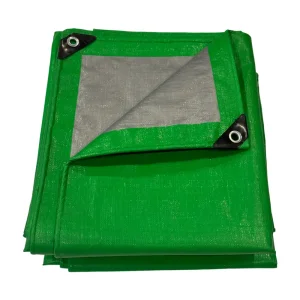
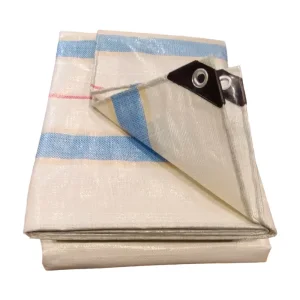
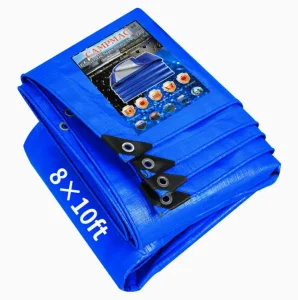
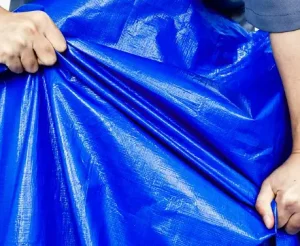
In modern supply chain management, cargo protection is an essential component of operational continuity, financial risk mitigation, and regulatory compliance. Commercial haulage fleets, logistics providers, and agricultural operations face harsh outdoor conditions—ranging from high-ultraviolet equatorial sun exposure to sub-zero arctic transit routes and abrasive industrial cargo interactions. Selecting the correct truck cover tarpaulin factory requires a thorough understanding of polymer chemistry, structural weaving technologies, edge reinforcement mechanics, and global trade compliance standards.
This industry whitepaper details the engineering specifications, global market dynamics, and total cost of ownership (TCO) variables associated with sourcing high-performance polyethylene (PE), polypropylene (PP), and polyvinyl chloride (PVC) tarpaulins. Through vertical integration—from high-density raw polymer extrusion to multi-layer thermal lamination—leading Chinese manufacturers provide engineered solutions that protect high-value freight while optimizing payload aerodynamics and reducing fuel overheads.
| Polymer Base | GSM Range | Tensile Strength (Warp/Weft) | UV Resistance Index | Primary Industrial Use Case |
|---|---|---|---|---|
| High-Density Polyethylene (HDPE/LDPE Laminated) | 60 - 300 GSM | 750 N / 850 N (per 50mm) | 3% - 5% HALS Masterbatch (3000 hrs UV) | General flatbed truck covers, agricultural grain storage, lightweight cargo caps, emergency relief sheeting. |
| Woven Polypropylene (PP Dual-Coated) | 90 - 350 GSM | 950 N / 1100 N (per 50mm) | High Thermal Stability Formulation | Heavy aggregate transport, mining haulage tarps, structural enclosure sheets, harsh weather construction. |
| High-Tenacity PVC Knife Coated (Polyester Core) | 450 - 900 GSM | 2500 N / 3000 N (per 50mm) | Anti-UV, Anti-Mildew, ISO 4892-2 Rated | Intermodal trailer side curtains, heavy-duty sliding tarps, long-haul interstate trucking, fire-retardant enclosures. |
How evolving international logistics standards, environmental mandates, and material science innovations are transforming wholesale purchasing requirements.
Commercial fleets are replacing loose, flapping canvas tarps with custom-engineered, form-fitting PE/PVC covers. Proper tensioning reduces aerodynamic drag coefficient ($C_d$) by up to 8%, yielding significant annual fuel savings over long-haul routes.
Environmental standards such as EU REACH, RoHS, and California Prop 65 require non-toxic plasticizers and heavy-metal-free stabilizers. Modern factories utilize eco-compliant PE additives and recyclable thermoplastic polyolefins (TPO).
Global transit corridors expose cargo covers to extreme temperature variations (-40°C to +80°C). Incorporating specialized Hindered Amine Light Stabilizers (HALS) prevents polymer chain scission and environmental stress cracking under intense solar exposure.
An integrated manufacturing workflow ensures consistent gsm control, high tensile strength, and leak-proof seams across every batch produced.
Virgin HDPE/PP granules are blended with masterbatch pigments and UV inhibitors, extruded into film, and slit into high-denier flat yarns.
High-speed weaving looms interlock warp and weft tapes into dense structural mesh matrices (ranging from 6x6 to 14x14 threads per inch).
Molten LDPE or PVC is coated onto both sides of the woven substrate under precise pressure rollers to form a complete water barrier.
Computerized hot-air welding equipment fuses panel seams. Edges are folded around PP tension ropes and double-stitched or heat-sealed.
Discover how modern R&D laboratories are combining sensor technologies and advanced material science to redefine commercial freight security.
Integration of ultra-thin flexible RFID circuits and BLE sensors into tarp hems enables real-time location monitoring, tamper detection, and automated inventory scans at logistics terminals.
Advanced nano-coatings enable micro-scratches and minor puncture marks to seal under localized solar heat exposure, maintaining water tightness and structural longevity over extended operational cycles.
Incorporation of non-halogenated intumescent flame retardants meets stringent DIN 4102 B1 and NFPA 701 safety codes, preventing flame spread during hazardous cargo transportation.
Customizing mechanical specifications to match regional transport regulations, climate profiles, and hardware integration needs.
A major failure point in commercial truck tarpaulins is grommet tear-out and hem stress. Professional factories provide tailored reinforcement options engineered for high dynamic wind loads:
Every batch undergoes rigorous lab verification before dispatch, supported by certified test documentation:
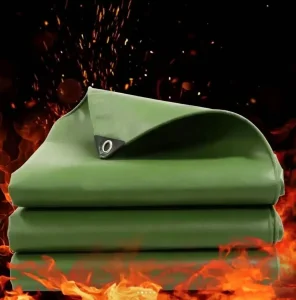
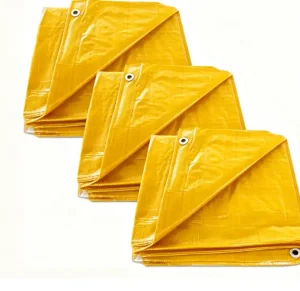
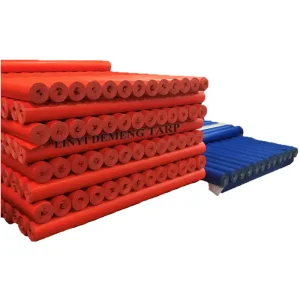
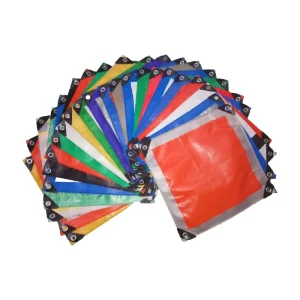
Explore our full line of high-performance technical fabrics, specialized weave patterns, and multi-sector protective covers.
Expert answers to common engineering, ordering, and technical inquiries from commercial importers and haulage fleet directors.
Partner with an established manufacturer offering vertical integration, verified quality testing, and scalable factory capacity. Contact our engineering team to request technical specification sheets, material swatches, or a custom container loading estimate.