Direct factory supply featuring dual-side LDPE lamination, high-tenacity HDPE matrix, and custom colorways for global distributors.
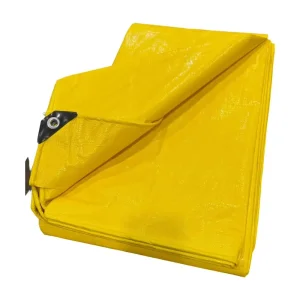
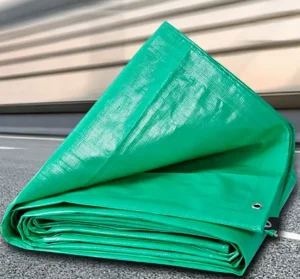
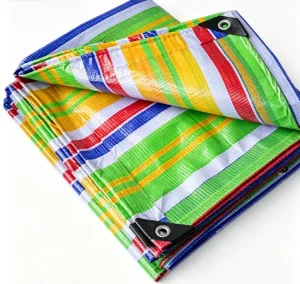
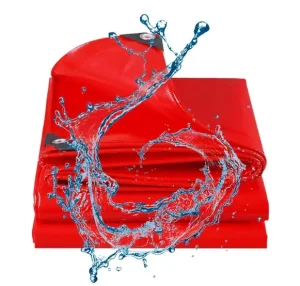
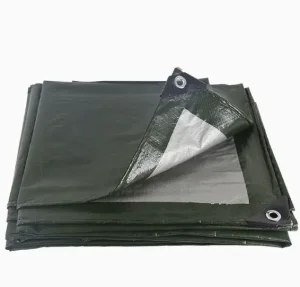
In the global industrial protective textiles sector, UV Resistant Polyethylene (PE) Tarpaulin Rolls represent a cornerstone material for supply chain protection, agricultural infrastructure, temporary containment, and civil engineering. Unlike standard plastic sheeting that succumbs to photo-oxidation within weeks of continuous solar radiation, UV-stabilized PE tarpaulin rolls are polymerically engineered to withstand intense solar ultraviolet (UV-A and UV-B) spectrum exposure while maintaining mechanical integrity, hydrostatic barrier performance, and tear propagation resistance.
The international B2B market for poly tarpaulin master rolls is experiencing sustained growth driven by the expansion of global logistics networks, climate-driven severe weather protection needs, and a strategic migration away from heavy, non-recyclable Polyvinyl Chloride (PVC) fabrics toward lightweight, fully recyclable Polyethylene mono-material architectures. B2B importers, master distributors, and industrial fabricators actively source master rolls in widths ranging from 2.0 meters to 6.0 meters, enabling automated converting into custom truck tarps, grain bunker covers, scaffolding enclosures, and emergency relief shelters.
Master tarpaulin rolls provide industrial converters with inventory flexibility. Stocking jumbo rolls allows regional fabricators to slice, weld, hem, and eyelet custom dimensions on demand, reducing lead times for localized commercial projects.
Modern environmental mandates favor PE tarpaulins due to their 100% olefin poly-woven construction (HDPE woven scrim core laminated with LDPE film). Unlike PVC, PE tarpaulin rolls can be re-melted and re-pelletized without toxic chlorine emissions.
Ranging from 60 GSM (Grams per Square Meter) lightweight utility grades up to 300 GSM heavy-duty structural membranes, PE tarpaulins deliver superior tensile strength per unit mass compared to conventional canvas or PVC alternatives.
Unprotected High-Density Polyethylene (HDPE) and Low-Density Polyethylene (LDPE) are naturally vulnerable to solar radiation. When subjected to ultraviolet light in the 290nm to 400nm spectrum, the carbon-carbon (C-C) and carbon-hydrogen (C-H) bonds within the polymer backbone absorb photon energy. This triggers Norrish Type I and Type II photo-oxidation mechanisms, creating free radicals that react with atmospheric oxygen to form hydroperoxides. The resulting polymer chain scission leads to loss of tensile strength, surface chalking, micro-cracking, loss of water impermeability, and eventual total structural breakdown.
At Linyi Xinshengyang Plastic Products Co., Ltd. (Star Tarpaulins), our UV-resistant PE tarpaulin rolls incorporate high-efficiency Hindered Amine Light Stabilizers (HALS) combined with UV absorbers (such as Benzotriazoles or Nickel Quenchers) directly integrated into both the extruded HDPE yarn and the double-sided LDPE coating. HALS acts as a regenerative radical scavenger through the Denisov Cycle, repeatedly neutralizing alkyl and peroxy radicals created during UV exposure. This extends outdoor operational longevity by 300% to 500% under extreme solar radiation environments.
| Performance Parameter | Standard Non-UV PE Tarp | Commercial UV-PE (1.5-2%) | Industrial Grade HALS PE (3-5%) | Test Standard / Protocol |
|---|---|---|---|---|
| Outdoor Lifespan (High kLy Radiation Zone) | 2 - 4 Months | 12 - 18 Months | 36 - 60 Months | ASTM G154 / ISO 4892-3 Weathering |
| Tensile Strength Retention (After 1500h Accelerated UV) | < 20% Retention | 65% - 75% Retention | > 85% Retention | ASTM D5034 (Grab Test) |
| Hydrostatic Head Resistance | Loss of barrier after 3 mos | Stable up to 10k Pa | Stable up to 25k+ Pa | DIN EN 20811 / AATCC 127 |
| Thermal Stability Range | -10°C to +60°C | -20°C to +70°C | -40°C to +85°C | Thermal Cycling Chamber Test |
| Tear Propagation Resistance (Trapezoid) | Low (Propagates easily) | Moderate (Reinforced weave) | High (High-tenacity virgin yarn) | ASTM D4533 |
The polyolefin fabric industry is experiencing technical and regulatory evolutions. Importers must align sourcing strategies with these four key structural trends:
Traditional organic UV stabilizers are increasingly augmented with inorganic titanium dioxide (TiO2) and zinc oxide (ZnO) nanoparticles. These nano-additives act as physical UV reflectors, scattering incident photon waves before they reach the core HDPE crystalline structures. Combined with high-molecular-weight HALS compounds, nano-coatings double the sun-protection lifespan without adding excessive weight to the fabric.
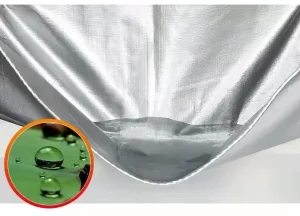
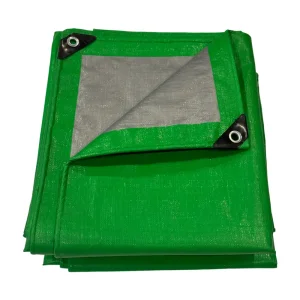
In tropical and desert agriculture, heat build-up under dark tarpaulins damages crops, machinery, and livestock. Advanced dual-color co-extrusion technology—such as Silver/Black, Green/Silver, or White/Blue co-extruded LDPE film coatings—enables outer layers to reflect thermal infrared radiation (IR) while the dark interior layer prevents light penetration, lowering internal temperatures by up to 8°C to 12°C.
Global regulatory regimes, including EU REACH and RoHS regulations, mandate strict controls on heavy metals (lead, cadmium, hexavalent chromium) traditionally used in cheap tarpaulin color pigments. Leading manufacturers are transitioning 100% of production to heavy-metal-free organic masterbatches, ensuring full safety for agricultural water retention ponds, grain storage, and aquaculture liners.
Historical tarpaulin production was restricted to narrow widths requiring extensive heat-welding seams that presented natural structural failure points. Modern extrusion coating machines handle seamless width profiles up to 4 meters to 6 meters directly, maximizing barrier uniformity, speeding up converting lines, and eliminating weak seam joints under heavy wind loading.
Protective tarpaulin performance requirements vary depending on regional climate factors such as Solar Radiation (measured in Kilo-Langleys / kLy per year), average precipitation, wind shear forces, and thermal fluctuations. Sourcing engineered rolls matched to localized field conditions prevents structural failures.
Climatic Stressors: Extreme Solar Irradiance (180–220 kLy/year), ambient temperatures exceeding 50°C, abrasive sandstorms.
Engineered Solution: Heavy-duty 180 to 260 GSM PE rolls featuring maximum 4-5% HALS loading, double silver heat-reflective surface coatings, and elevated antioxidant dosing to prevent thermal-oxidative breakdown during prolonged desert deployment.
Climatic Stressors: Torrential seasonal rains, 95%+ relative humidity, high wind uplift forces, mold and mildew risk.
Engineered Solution: High-density 14x14 mesh count HDPE fabric with thick dual LDPE lamination (ensuring zero water permeability at 20,000+ mm water column), anti-fungal chemical additives, and reinforced rope-hemmed borders to withstand storm fatigue.
Climatic Stressors: Sub-zero temperatures (-40°C), heavy snow accumulation, ice flexing, freeze-thaw cycles.
Engineered Solution: Cold-crack resistant elastomer-modified PE master rolls. Special plasticizer blends ensure the outer film remains pliable down to -40°C without micro-fracturing under heavy snow load or dynamic wind flex.
Climatic Stressors: Agrochemical exposure (pesticides, sulfur sprayers), ground abrasion, long-term outdoor exposure over crops.
Engineered Solution: Agro-grade UV rolls resistant to sulfur deactivated HALS systems, optimized light transmission profiles (opaque blackout for silage, translucent for greenhouse shade covers), and non-toxic crop-safe certifications.
Since 2006, Linyi Xinshengyang Plastic Products Co., Ltd. (Star Tarpaulins) has operated an integrated 30,000 m² manufacturing plant in Linyi, Shandong, yielding over 20,000 metric tons annually. Producing high-performance tarpaulin rolls requires precise mechanical control across eight production stages:
100% Virgin HDPE pellets blended with UV HALS masterbatch drawn into high-tenacity yarn (700D–1500D) at exact thermal zones.
Precision circular looms and flat water-jet looms weave structural mesh matrices from 6x6 to 14x14 picks per square inch.
Double-sided molten LDPE extrusion coating creates an impenetrable barrier against water, air, and chemical contaminant ingress.
Automated tension-controlled winders package master rolls from 50m to 1000m lengths on heavy-duty reinforced paper cores.
Every master roll batch produced at Star Tarpaulins undergoes rigorous laboratory testing prior to release: Hydrostatic Water Pressure Testing (verifying barrier integrity up to 25 kPa), Electronic Tensile & Elongation Testing (warp/weft direction break limits), Accelerated UV Weathering Chamber Analysis (QUV 340nm exposure), and Coating Adhesion Peel Strength Checks. Full third-party inspection reports (SGS, Intertek, Bureau Veritas) are supplied upon client request.
Sourcing wholesale tarpaulin rolls requires balancing raw material specifications with container freight optimization, duty tariffs, and operational flexibility. We provide custom-tailored procurement strategies designed for major B2B categories:
We supply high-density master rolls packed in protective woven bags or rigid shrink wraps with barcoded labels. Distributors can order mixed container loads combining standard weight classes (e.g., 90 GSM, 120 GSM, 180 GSM, 250 GSM) and diverse color palettes to optimize local warehouse inventory turns.
For factories producing finished truck curtains, architectural shade structures, or containment bags, we engineer custom roll widths, specific surface gloss treatments (matte vs high-gloss finish), flame-retardant additives (CPAI-84 / DIN 4102 B1 certified), and anti-static coatings.
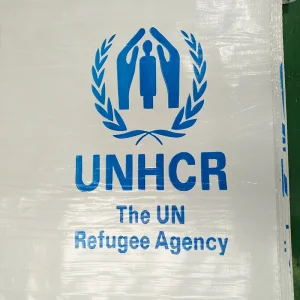
We manufacture disaster-relief shelter sheets and rolls adhering to UNHCR, UNICEF, and IFRC emergency technical standards. Rapid-production capability allows containerized dispatches of disaster-grade tarpaulins within 10 to 15 days of order confirmation.
Our engineering laboratory actively explores advanced polyolefin technology to deliver superior performance and sustainability profiles:
R&D trials are underway incorporating sugarcane-derived bio-PE resins into our extrusion lines. Maintaining identical molecular weight distribution and tensile strength as fossil-fuel HDPE, bio-based PE tarpaulin rolls reduce net carbon footprint by up to 70% while remaining fully recyclable.
Integrating functionalized graphene nanoplatelets into the LDPE coating layer creates an ultra-impermeable barrier matrix. Early laboratory results show a 40% increase in abrasion resistance and a 30% reduction in oxygen/water vapor transmission rates without increasing total GSM weight.
Engineering guidance to help purchasing managers specify the exact tarpaulin construction required.
UV protection levels are directly tied to the concentration percentage of HALS (Hindered Amine Light Stabilizers) and UV absorbers mixed into the polymer melt during extrusion. A standard 1% to 1.5% dosage provides approximately 12 months of resistance under 100 kLy radiation zones (e.g., Central Europe). A heavy-duty 3% to 5% dosage extends lifespan to 36–60 months even under severe 180–220 kLy radiation environments such as the Middle East, Northern Australia, or Arizona. We match additive formulations directly to your destination climate profile.
PE tarpaulin rolls are constructed from high-density woven polyethylene tape coated on both sides with low-density polyethylene film. They are significantly lighter in weight (60–300 GSM), 100% recyclable mono-material polyolefins, cost-effective, and flexible at freezing temperatures. PVC tarpaulins consist of a polyester mesh coated with polyvinyl chloride paste (400–900 GSM); while heavier and offering extreme tear strength, PVC is more expensive, harder to recycle, and releases chlorine compounds if incinerated.
We produce seamless master roll widths from 1.83 meters (6 feet) up to 4.0 meters, and heat-welded continuous widths up to 6.0 meters. Standard roll lengths range from 50 meters to 200 meters for heavy grades, and up to 1,000 meters for lightweight converting stock. Master rolls are wound on high-crush-strength paperboard cores (3-inch / 76mm inside diameter) reinforced for international container freight handling.
Our minimum order quantity for custom color, weight, or roll dimension specifications is 3 metric tons per line item. Standard stock specifications start from a mixed 20ft container load. A 20ft container accommodates approximately 10 to 12 metric tons of PE tarpaulin rolls, while a 40ft High Cube (40HQ) container loads up to 25 to 27 metric tons depending on weight-limit restrictions of destination ports.
Yes. We offer complete OEM manufacturing services including custom surface printing (up to 4 colors via flexographic printing), custom edge banding printing, private-label end-cap packaging, retail barcodes, and custom color-matching against RAL or Pantone color codes.
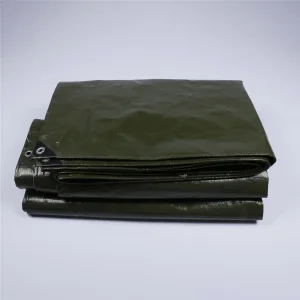
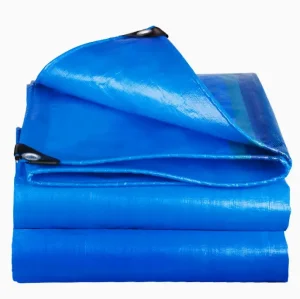
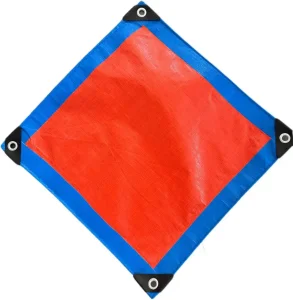
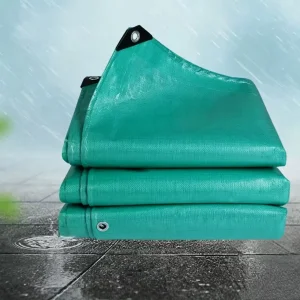
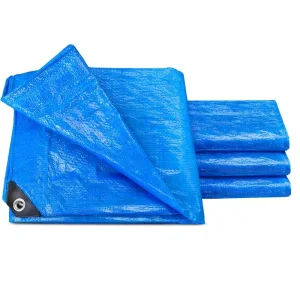
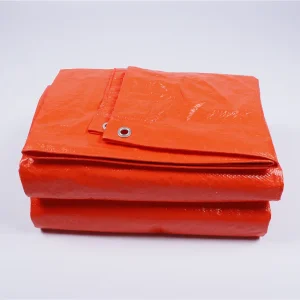
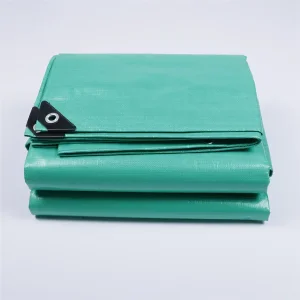
Heavy-duty poly woven fabrics designed for truck covers, ground sheets, garden shade sails, and building containment.
Contact our technical export engineering team for custom width inquiries, master batch UV dosage calculations, container freight optimization plans, and factory-direct pricing quotes.