Engineered to withstand Boston's severe freeze-thaw cycles, high UV indexes, and demanding coastal soil environments.
Analyzing the Technical Performance Requirements for Polyethylene Layflat Hoses and Woven Geotextiles in New England's Commercial, Civil, and Agricultural Sectors.
The Greater Boston metropolitan area, encompassing Suffolk, Middlesex, and Norfolk counties, presents a uniquely challenging operational environment for industrial materials. Characterized by dense urban infrastructure, rigorous environmental oversight by the Massachusetts Department of Environmental Protection (MassDEP), and extreme seasonal temperature swings—ranging from sub-zero winter frosts to intense mid-summer solar radiation—the regional demand for high-performance polyolefin polymers has reached unprecedented levels.
As civil engineering contractors, municipal authorities, landscape architects, and agricultural enterprises scale operations across New England, traditional material standards are undergoing a rapid phase-out. Heavy, rigid PVC hoses and non-stabilized geotextiles are increasingly replaced by advanced Polyethylene (PE) Layflat Hoses and High-Density Woven Weed Barrier Fabrics manufactured directly by specialized extrusion facilities in China. This technical whitepaper establishes the operational, chemical, and supply-chain parameters that define modern material procurement for Boston-area projects.
Conventional Polyvinyl Chloride (PVC) layflat hoses rely on phthalate plasticizers to maintain flexibility. In coastal Massachusetts climate conditions, temperatures drop below freezing (0°C to -15°C), causing plasticizers to migrate out of the polymer matrix. This leads to severe material embrittlement, pinhole cracking under pressure, and premature failure during critical dewatering operations. In contrast, 100% virgin Polyethylene (PE) maintains flexural modulus and impact resistance down to -30°C without plasticizer additive degradation.
Eliminating Middlemen to Deliver Precision-Engineered Polyethylene Products at Scale.
From prime-grade raw High-Density Polyethylene (HDPE) pellets to circular shuttle weaving, multi-layer extrusion coating, and automated heat-sealing, complete vertical integration guarantees strict GSM tolerance (±3%) and uniform burst strength.
Every batch destined for North American export undergoes rigorous hydrostatic testing (ISO 1402 standard), tensile grab tests (ASTM D4632), and accelerated UV degradation analysis matching New England solar irradiance profiles.
Direct shipping arrangements from Qingdao/Lianyungang ports directly into the Port of Boston (Conley Terminal) or Port of NY/NJ ensure seamless customs clearance, lower freight surcharges, and dependable delivery schedules.
Our engineering division customizes yarn denier, weaving density, UV masterbatch concentrations, and roll dimensions to meet strict project RFPs.
Consult With Our Engineering TeamOptimizing Soil Thermodynamics, Moisture Permeability, and Weed Suppression in Urban & Agricultural Development.
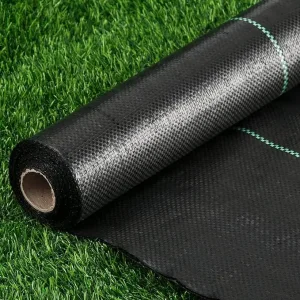
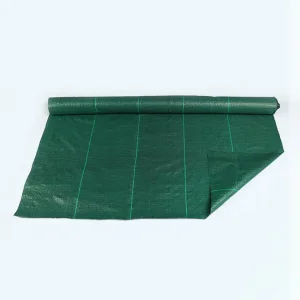
Commercial land development across Greater Boston—including high-density urban projects in the Seaport District, Cambridge biotech campuses, and expansive agricultural developments in the Connecticut River Valley—requires robust soil stabilization and weed mitigation protocols. Non-woven spunbond fabrics often disintegrate under heavy foot traffic or aggregate abrasion. Our factory-produced Heavy-Duty Woven Polyethylene Weed Barrier Fabrics combine high tensile slit-tape ribbons with optional needle-punched micro-porous backings to resolve traditional landscaping vulnerabilities.
The primary engineering friction point in landscape geotextiles lies in balancing water percolation with complete light blockage. Our heavy-duty fabrics utilize a dense 10x10 to 14x14 weave count, achieving PAR (Photosynthetically Active Radiation) blockage exceeding 99.7%. This starves invasive species such as Japanese Knotweed, Crabgrass, and Nutsedge without trapping excess moisture that leads to root rot in ornamental plantings.
In Boston driveway underlayments and hardscaping installations, dynamic wheel loads can cause sub-grade soil migration into base aggregates. Our woven geotextile fabric acts as a high-modulus separation layer, distributing point loads and preventing pavement rutting across soft clay soils common in eastern Massachusetts.
| Fabric Property | Standard Retail Grade (100 GSM) | China Factory Commercial Grade (150 GSM) | Heavy Infrastructure Grade (200-250 GSM) |
|---|---|---|---|
| Grab Tensile Strength (ASTM D4632) | 450 N / 100 lbs | 850 N / 190 lbs | 1400 N / 315 lbs |
| UV Resistance (ASTM D4355) | >70% after 500 hrs | >85% after 2,500 hrs | >90% after 5,000 hrs (5% UV) |
| Water Flow Rate (ASTM D4491) | 12 gal/min/ft² | 18 gal/min/ft² | 25 gal/min/ft² |
| Target Boston Application | Residential Garden Beds | Commercial Landscaping / Park Trails | Driveway Underlayment / Civil Retaining Walls |
Engineered for Rapid Deployment, Zero Chemical Leaching, and High Burst Tolerance.
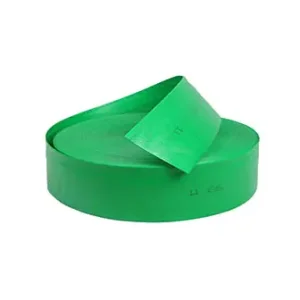
Civil engineering contractors managing deep excavation projects in Downtown Boston, Cambridge, and Quincy face strict groundwater management challenges. High water tables adjacent to Boston Harbor and the Charles River necessitate continuous dewatering pumping stations. Our PE Layflat Hoses provide an ultra-durable, lightweight alternative to cumbersome rigid piping and heavy rubber discharge lines.
For a standard 4-inch 100-meter dewatering line:
Proven Field Performance across Diverse Civil, Municipal, and Commercial Projects.
Employed during emergency storm water pumping, sewer bypass diversions, and utility trench dewatering by utility crews throughout Suffolk County and the Greater Boston area.
Heavy-duty landscape fabrics installed across public parks, university campuses (Harvard, MIT, BU), and historical sites requiring 5+ year maintenance-free weed suppression.
Irrigation layflat hoses and ground cover geotextiles supplying apple orchards, sod farms, and cranberry bogs in Southeastern Massachusetts and the Pioneer Valley.
Direct Answers from Our Chief Extrusion Engineers & Global Logistics Directors.
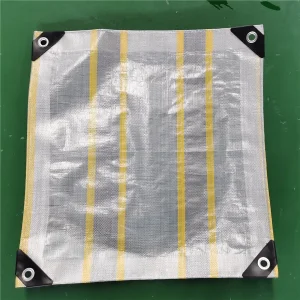
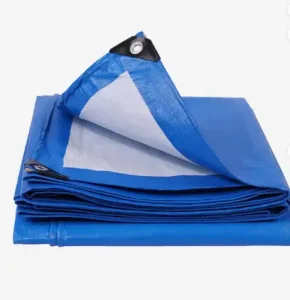
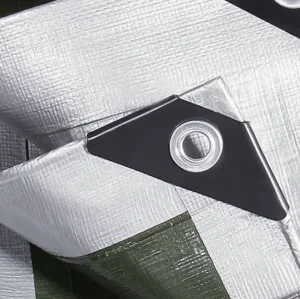
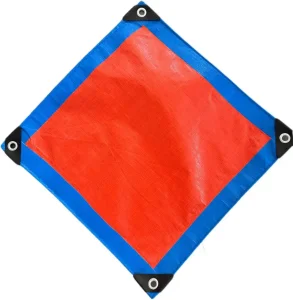
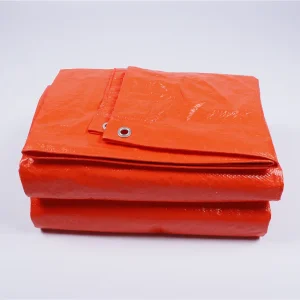
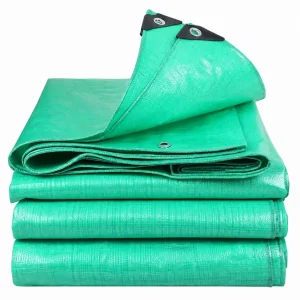
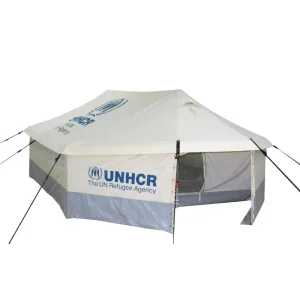
Explore our complete range of waterproof covers, insulated tarpaulins, and industrial tent fabrics available for immediate volume dispatch.
Get technical specification sheets, custom sizing options, and a comprehensive CIF Port of Boston freight quote within 24 hours.
Send Inquiry Now