
Featured Fleet & Cargo Protection Portfolio
Engineered Transport Tarpaulins & Industrial Packaging
Verified heavy-duty polymers for high-velocity highway transport, weatherproofing, and international multi-modal shipping requirements.
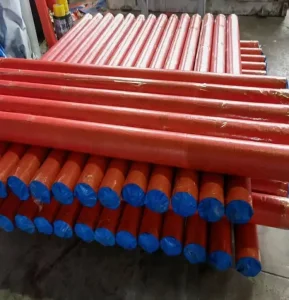
Wholesale PE Woven Coated Lumber Wrap Poly Tarp Roll Covers Factories, Factory
View Technical Specs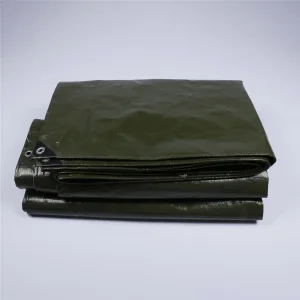
China Tarpaulin Waterproof Heavy Duty Green/Silver Large Tarp Sheet, Ground Camping Sheet Tent for Garden Furniture Manufacturer, Factory
View Technical Specs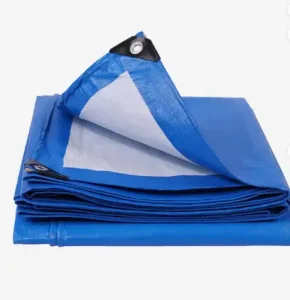
Wholesale Waterproof Pe Tarpaulin Rainproof Insulated Plastic Customized Camp Canopy Sunshade Rain Agriculture Thick China HDPE Tarpaulins Manufacturer, Supplier
View Technical Specs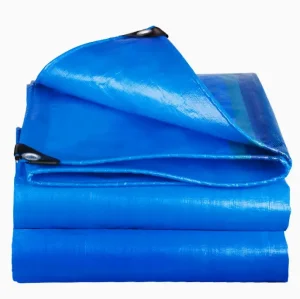
Wholesale Heavy Duty Waterproof Blue Tarpaulin, UV Resistant & Tear-Resistant Poly Tarp for Outdoor Covering, Camping, Truck, Garden Supplier, Suppliers
View Technical Specs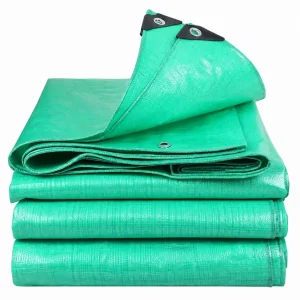
Wholesale Custom Mint Green PE Tarpaulin Waterproof Sheet Heavy Duty Polyethylene Tarp Cover 50-300GSM for Outdoor, Agriculture, Construction and Industrial Use Manufacturer, Manufacturers
View Technical Specs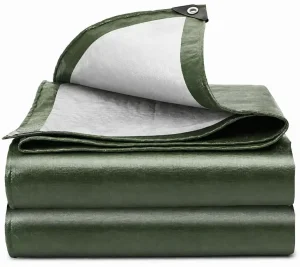
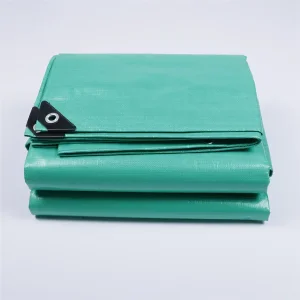
China High Quality Double Side Green PE Tarpaulin Truck Cargo Cover 100% Waterproof Tarpaulin Manufacturer, Supplier
View Technical Specs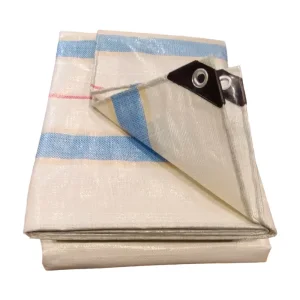
Wholesale Cross-border Wholesale PE Tarpaulin – Three-Color Striped Waterproof Fabric Manufacturer, Factories
View Technical SpecsGlobal Industrial Landscape
Transportation Protective Solutions: Global Status & Supply Chain Resilience
A rigorous examination of heavy-haul logistics integrity, environmental mitigation, and Chinese polymer engineering competencies.
20,000 t
Annual Polymer Extrusion
±3%
Stated GSM Density Tolerance
30,000 m²
Integrated Production Hub
30+
Global Export Markets
In modern macro-logistics, surface transportation safety and intermodal shipping integrity are vital pillars of international trade resilience. Cargo traversing long-haul highway corridors, cross-border freight railways, and open maritime routes remains relentlessly vulnerable to kinetic wind shear, torrential water intrusion, ultraviolet photodegradation, and severe temperature fluctuations. As global commercial sectors demand zero-loss delivery guarantees, transportation protection manufacturing has evolved from basic woven coverings into an exact science involving high-polymer extrusion, tensile-load stabilization, and engineered boundary textiles.
China stands at the center of this industrial sector. Centered in regional manufacturing epicenters like Linyi City, Shandong Province, direct Chinese manufacturers leverage end-to-end supply integration to combine resin sourcing, high-speed flat-yarn extrusion, precision water-jet or circular weaving, and multi-layer double-side lamination under unified industrial standards. By maintaining direct ownership over every fabrication tier, manufacturers like Linyi Xinshengyang Plastic Products eliminate the standard supply-chain friction introduced by non-manufacturing intermediaries, maintaining exact GSM tolerances, customized weave mesh matrices, and consistent resin purity across enterprise orders.
"The modern standard of commercial cargo transportation covers demands complete resistance against mechanical stress and environmental exposure. A failure in tear resistance or eyelet shear strength during transit results in immediate structural rupture, compromised shipments, and costly insurance liabilities."
Today's supply chain leaders across Europe, North America, the Middle East, and Latin America require industrial fabricators capable of meeting rigid technical criteria: high hydrostatic water-column limits, multi-axial tear elongation parameters, and certified UV stabilizer masterbatch blending that withstands intense insolation in extreme operating environments.
Engineering & Materials Science
Material Technology Roadmap & Sustainable Lifecycle Innovation
Advancing structural barrier performance through high-density polymer matrices and closed-loop recyclability.
Nano-Dispersion UV Stabilization
Standard tarpaulins experience rapid polymer bond degradation when exposed to severe ultraviolet rays. Our proprietary masterbatch incorporates Hindered Amine Light Stabilizers (HALS) and nano-scale titanium dioxide particles, ensuring uniform dispersion across both external LDPE lamination skins to prevent embrittlement across continuous multi-season exposure.
High-Modulus HDPE Tape Drawing
By implementing precise multi-stage thermo-stretching during tape extrusion, polymer chains are oriented into exceptional longitudinal alignment. This elevates yarn tensile capacity to over 1200 N / 50 mm, preventing highway vibration fraying and wind-buffeting tears along high-speed commercial vehicle side corridors.
Mono-Material Circular Economy
Unlike multi-resin composites that complicate sorting and recycling, our pure PE and PP structural solutions utilize 100% compatible polyolefin chemistry. Inner core weave and outer protective lamination utilize the same resin family, enabling zero-waste processing and straightforward post-lifecycle recycling compliant with strict global environmental mandates.
In-House Manufacturing Control
Integrated Eight-Stage Production Process
From primary resin extrusion to reinforced corner anchoring, our operations remain completely consolidated within our 30,000 m² factory.
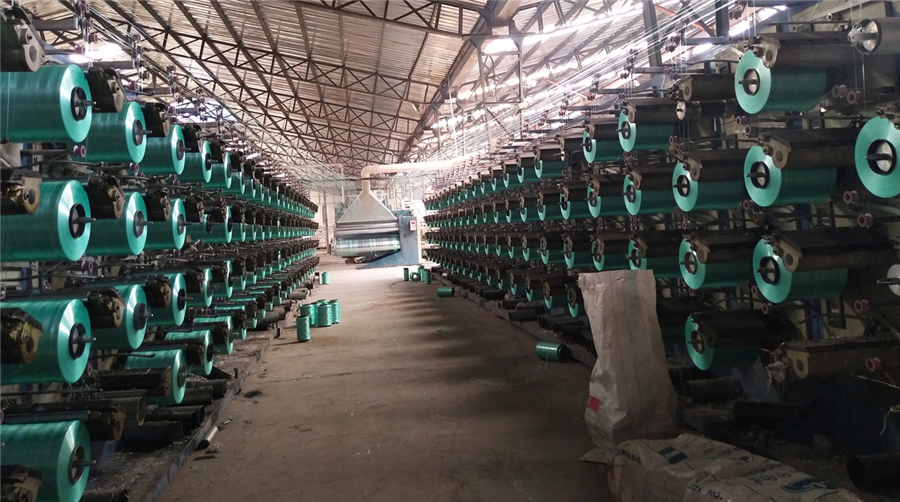
01
Virgin Tape Extrusion
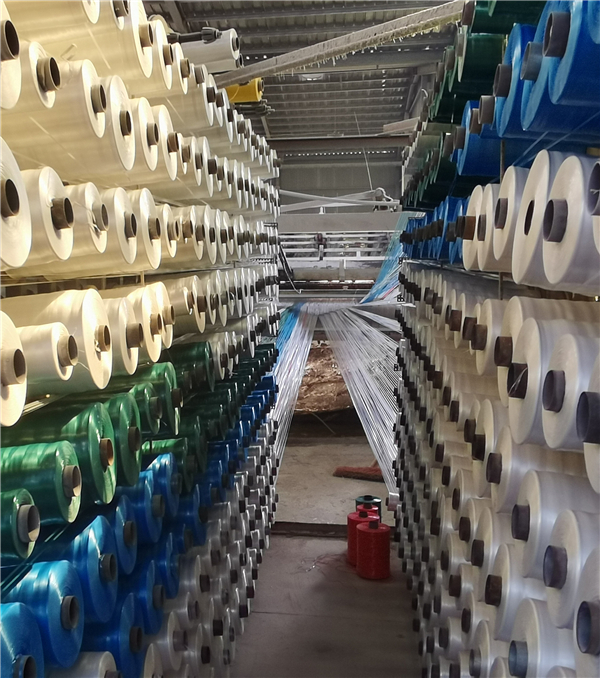
02
High-Density Weaving
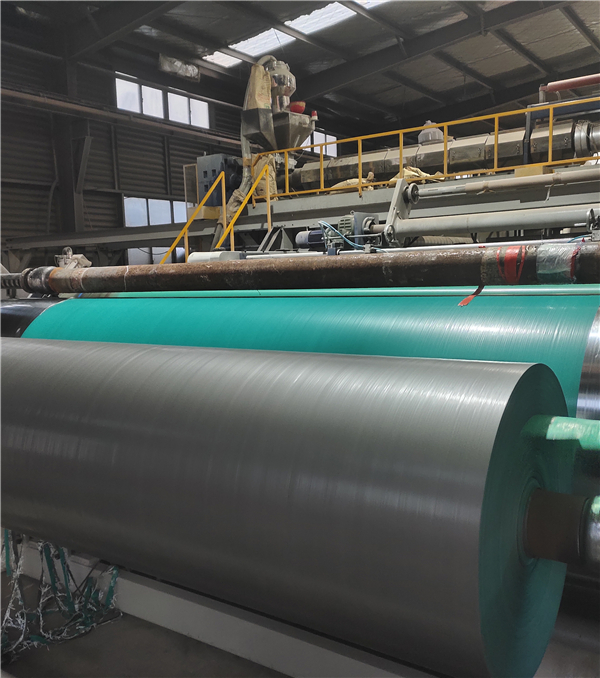
03
Double-Side Coating
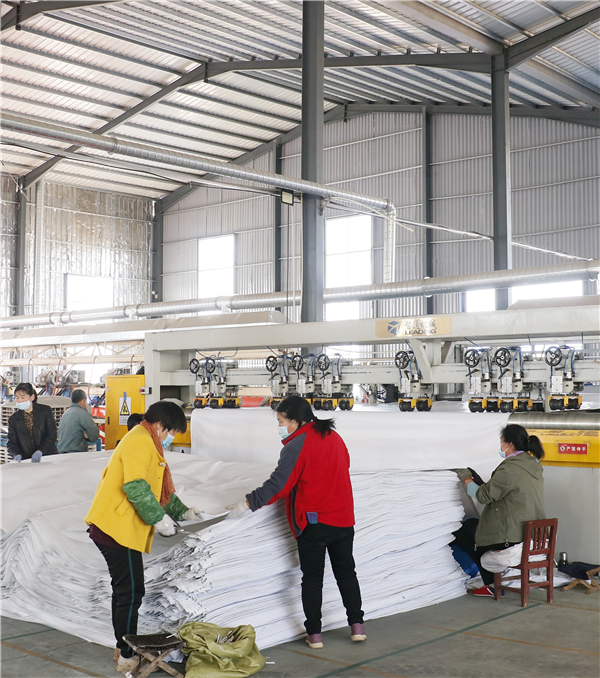
04
Precision Sizing & Cut
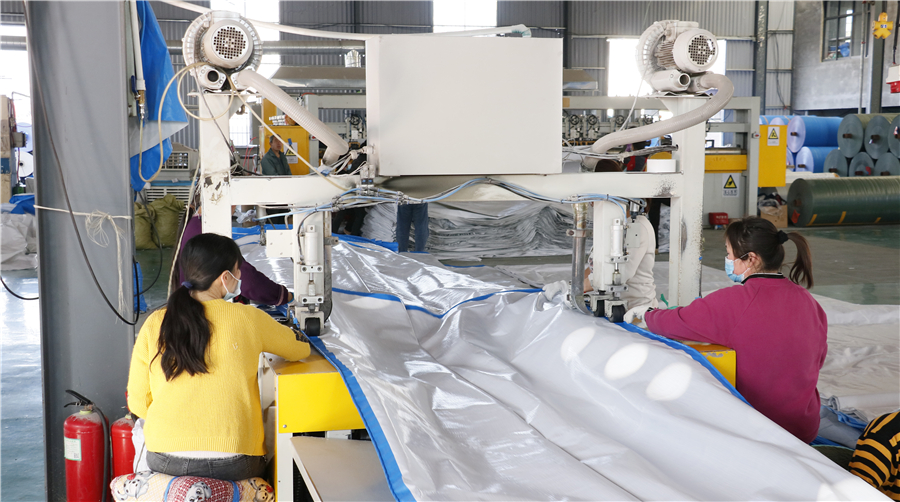
05
Thermal Hem Sealing
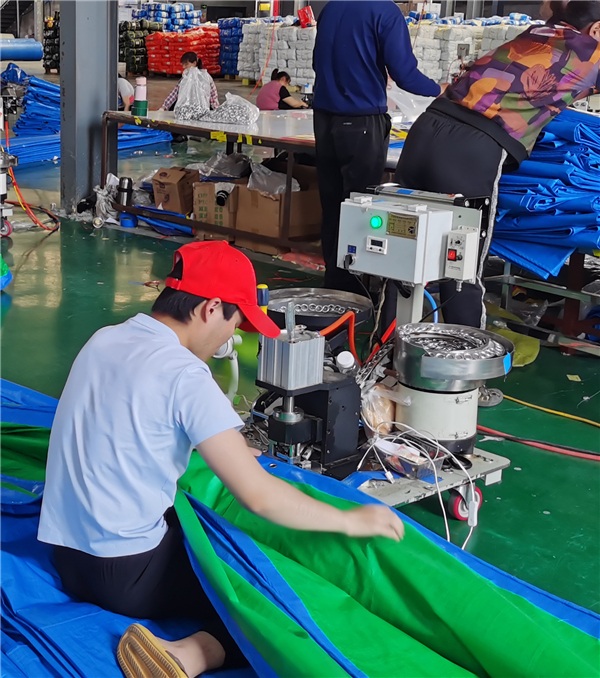
06
Pneumatic Eyelet Rigging
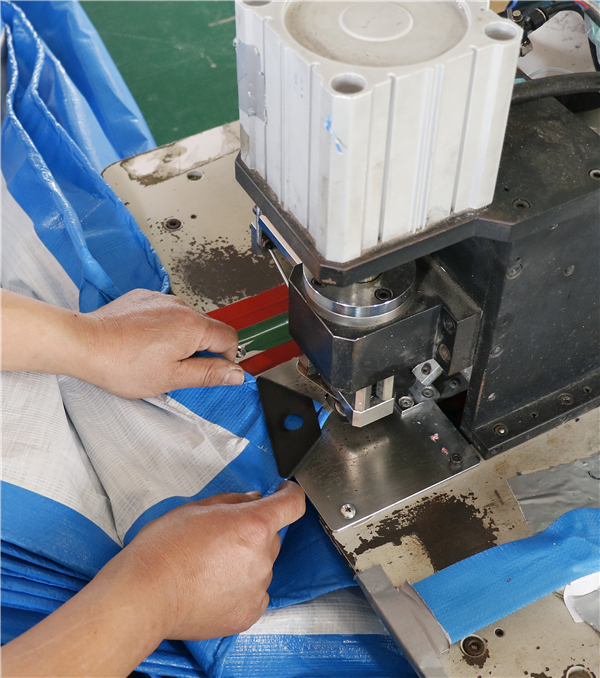
07
Corner Reinforcement
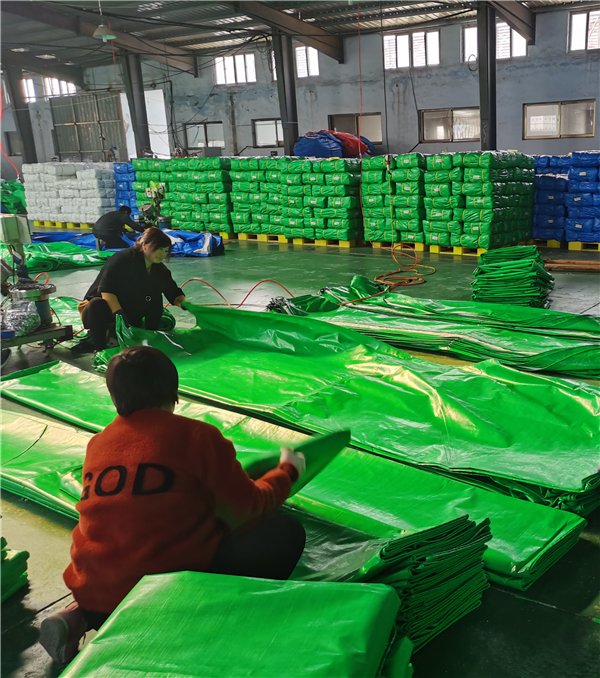
08
Final Batch QC Testing
Strategic Application Engineering
Engineered Deployment Scenarios Across Global Supply Lines
Configured for diverse regional conditions, mechanical constraints, and cargo vulnerability profiles.
Intermodal Highway Logistics
Commercial long-distance flatbeds demand tear-stop fabric matrices between 180 and 300 GSM. Triangular corner reinforcements, integrated perimeter rope seals, and rust-proof aluminum eyelets positioned at 50 cm intervals dissipate dynamic wind vortices during highway transport, preventing flapping failure and load destabilization.
Forestry, Lumber & Steel Wraps
Export lumber, kiln-dried timber, and coil steel are highly sensitive to condensation and vapor traps. Specially engineered co-extruded woven poly wraps provide waterproof external protection alongside selective breathability or puncture-resistant scrim reinforcement, protecting finishes from sea spray and rail transit grime.
Severe Climate Infrastructure & Agriculture
In equatorial or high-UV agricultural zones, custom dual-tone silver/green or silver/blue tarpaulins actively deflect thermal radiation, reducing surface temperatures over sensitive bulk grain, livestock feed, or field concrete curing zones. This reflective barrier preserves cargo integrity across wide variations in day and night temperatures.
Procurement Reference Matrix
Engineered Material Comparison for Fleet Procurement
A rigorous performance baseline comparing polyolefin configurations for commercial specification.
| Polymer Classification | Structural GSM Range | Tensile Strength (Warp/Weft) | Operational Service Life | Primary Industrial Use-Case |
|---|---|---|---|---|
| PE Laminated Tarpaulin | 60 – 300 g/m² | 650 – 1250 N / 50mm | 6 – 24 Months Continuous | Truck transit sheets, lumber wraps, construction enclosures |
| PP Heavy Woven Tarpaulin | 90 – 260 g/m² | 850 – 1450 N / 50mm | 8 – 30 Months Continuous | Bulk container liners, agricultural grains, equipment tarps |
| PVC Coated Industrial Vinyl | 500 – 900 g/m² | 2200 – 3800 N / 50mm | 3 – 7 Years Continuous | Curtain-side haulage trailers, permanent marquees, marine freight |
| UV Stabilized Geotextile Fabric | 70 – 130 g/m² | 500 – 950 N / 50mm | 24 – 60 Months Ground Use | Roadway sub-base underlayment, weed barrier ground control |
| PE Layflat Irrigation Hose Tube | N/A (Extruded Woven) | Burst Pressure: 3–6 Bar | 12 – 36 Months Operational | Agricultural fluid transfer, temporary civil site dewatering |
Heavy-Duty & Custom Industrial Catalogue
Specialized Multi-Purpose Transportation Tarpaulins
Direct factory supply manufactured to international tensile, tear, and cold-crack thresholds.
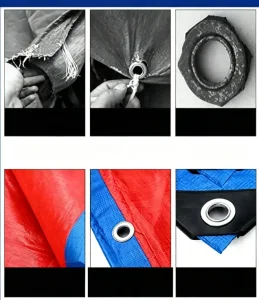
China High Quality 100% Virgin Pe Poly Concrete Curing Blanket Waterproof Tarpaulin Sheets Cold-Proof Insulated Tarps Pe Tarpaulin Manufacturer, Manufacturers
View Technical Specs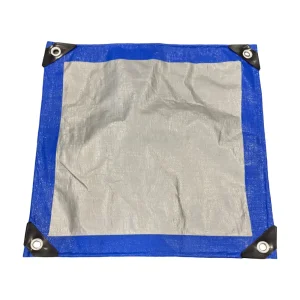
China Reinforced Multi-Purpose PE Tarpaulin Sheet - Tear-Resistant & Weatherproof Protective Cover with Aluminum Eyelets Suppliers, Factory
View Technical Specs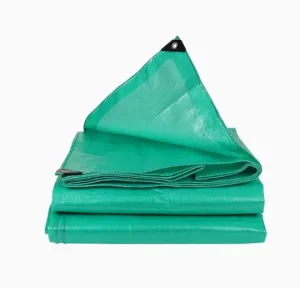
Wholesale Outdoor tarps made of PE, PP, or PVC; suitable for use on trucks, trailers, and agricultural land; UV-resistant, waterproof, and scratch-resistant Manufacturers, Factory
View Technical Specs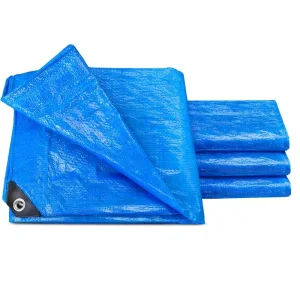
Wholesale Durable Waterproof UV-resistant 100% PE Fabric Tarpaulin for Outdoor Transportation Protection Manufacturer, Manufacturers
View Technical Specs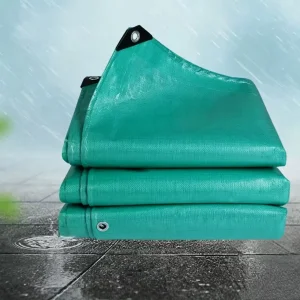
China Custom-made thickened double-green new material waterproof plastic sunshade outdoor sun protection and rainproof tarpaulin Manufacturer, Manufacturers
View Technical Specs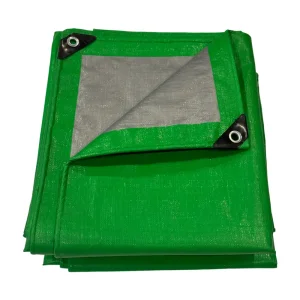
Wholesale Heavy Duty PE Coated Waterproof Polyester Fabric for Outdoor Awning & Tent Factories, Factory
View Technical Specs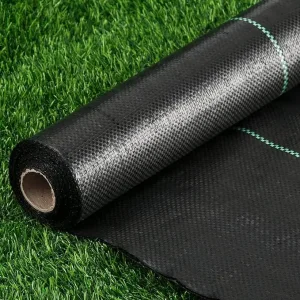
China Weed Barrier Landscape Fabric Heavy Duty, Garden Blocker Fabric Weed Mats, Weed Control Garden Cloth, Woven Geotextile Fabric for Garden Beds, Underlayment, Commercial Driveway Manufacturer, Supplier
View Technical Specs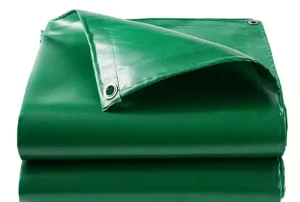
China Green 4x5 Meters PE Coated Anti-UV Waterproof Tarpaulin – Medium Weight Cover Manufacturer, Manufacturers
View Technical SpecsTechnical & Commercial FAQ
Frequently Asked Questions on Direct Supply & Specification
Expert guidance compiled by our materials and export engineering team for commercial volume buyers.
What GSM range of tarpaulin can you produce for transportation applications?
Our extrusion and coating facilities manufacture fabrics from 60 GSM to 300 GSM for polyethylene, and up to 900 GSM for specialized knife-coated PVC vinyl. Light 60–90 GSM materials serve as container liners and temporary lumber wraps; 110–160 GSM is the workhorse for intermediate construction enclosures and general cargo covers; and heavy 180–300 GSM configurations are engineered for long-haul highway truck covers requiring high tear resilience and reinforced perimeter grommets.
What is the minimum order quantity (MOQ) for custom-printed commercial orders?
Standard stock specifications require a minimum of 1,000 kg. For fully customized orders—including tailored Pantone colors, bespoke weave scrim counts (e.g., 10x10, 14x14), non-standard roll widths up to 4 meters seamless, or branded rotogravure printing—the baseline MOQ is 3,000 kg. This volume allows our extrusion and circular looms to achieve steady production efficiency and cost parity.
Which polymer should I choose: Polyethylene (PE), Polypropylene (PP), or PVC?
PE offers the most economical weight-to-barrier ratio, delivers 100% water impermeability, and maintains low-temperature flexibility down to -30°C. PP woven fabric yields 20–30% higher tensile strength at identical weights, making it ideal for dimensionally stable bulk shipping sacks and container side panels. Heavy PVC-coated vinyl remains the ultimate choice for multi-year highway transport, curtain-siders, and severe abrasion resistance, though at higher weight and unit cost.
How is quality verified prior to shipping from Chinese container terminals?
Quality control follows strict batch inspections. Every production run is sampled and logged for: gram-weight consistency (held within ±3%), multi-axial tensile breaking force, hydrostatic water-column limits, and eyelet pull-out shear stress. Certified mill test certificates, container loading documentation, and third-party inspection reports (via SGS, BV, or Intertek) are delivered to the purchasing manager before release from Qingdao or Lianyungang ports.
What are standard export shipping lead times and departure ports?
Our factory is located in Wanggou Industrial Park, Linyi City, providing straightforward freight transport to Qingdao Port (approximately 3.5 hours) and Lianyungang Port. Typical manufacturing lead times for a 40-foot High Cube (40HQ) container order—roughly 25 metric tons—range from 15 to 25 calendar days following formal specification confirmation and deposit receipt.
Can you provide custom retail packaging, barcoding, and logistics bundling?
Yes. We supply global DIY retail conglomerates, hardware distributor networks, and commercial logistics suppliers with retail-ready packaging. Options include customized full-color paper inserts, UV-printed barcodes, poly-bag wrapping, heavy-duty carton master packing, and heat-treated export wood pallets engineered for efficient warehouse depalletization.