Precision-extruded Polyethylene, Polypropylene, and PVC coated composite membranes engineered for heavy-duty protection.
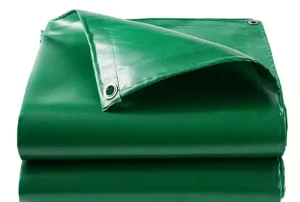
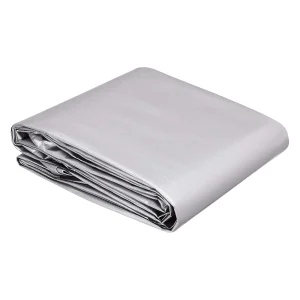
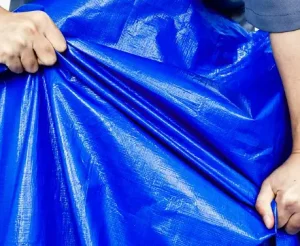
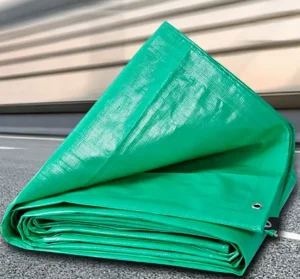
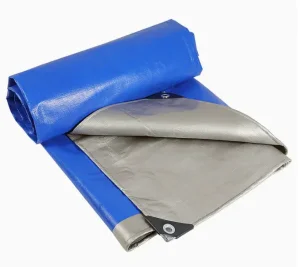
The international market for industrial protective textiles has undergone a structural evolution. Flexible, high-tensile waterproof polyvinyl chloride (PVC) membranes have transitioned from basic tarps into highly customized engineered barriers for global supply chains.
Driven by expanding intermodal logistics, agricultural infrastructure modernization, and disaster-relief stockpiling, the global market for PVC tarpaulin materials is projected to exceed USD 4.2 Billion by 2030, growing at a CAGR of 5.8%. China manufactures over 65% of global output, leveraging complete chemical supply chain integration.
Traditional single-layer woven covers suffer from mechanical fatigue and micro-pinhole leakage under persistent UV radiation. Modern procurement specs mandate double-sided knife-coating or hot-melt lamination using high-tenacity polyester scrim bases (500D to 1000D+).
Global buyers in the EU and North America require strict adherence to chemical safety standards. Manufacturing processes must comply with REACH (SVHC compliance), RoHS, and specific flame retardancy norms including DIN 4102 B1, NFPA 701, and California Title 19.
Understanding the structural chemistry behind high-performance waterproof tarpaulins is vital for enterprise procurement teams evaluating longevity, hydrostatic pressure resistance, and total cost of ownership (TCO).
Industrial-grade PVC tarpaulin is not a simple film; it is a multi-layered composite matrix. At its core lies a high-tenacity woven polyester mesh (scrim). The top and bottom layers consist of liquid Polyvinyl Chloride paste combined with plasticizers, heat stabilizers, and UV inhibitors applied via paste coating or hot lamination.
Sourcing managers must match production methodology with end-use mechanics. The structural integrity varies significantly between processes:
| Property Parameter | Hot Lamination PVC | Knife-Coated PVC |
|---|---|---|
| Typical GSM Range | 280 GSM – 550 GSM | 550 GSM – 900+ GSM |
| Peel Strength (Adhesion) | Moderate (50-70 N/5cm) | Exceptional (>100 N/5cm) |
| Flex Crack Resistance | Standard Outdoor Use | High-Frequency Flexing |
| Primary Application | Covers, Tents, Agriculture | Truck Curtains, Oil Booms |
Tailored raw material formulations designed to withstand unique global climatic stressors—from Middle Eastern desert solar heat to Nordic freezing temperatures.
Deployment: Side curtains, trailer covers, container liners.
Technical Spec: 650–900 GSM, 1000D×1000D 23×23 panama weave base fabric. High tear resistance (>300 N) and anti-abrasion lacquering to survive thousands of structural slides along trailer tracks.
Deployment: Silo covers, grain bunker tarps, hay covers.
Technical Spec: 200–450 GSM PE/PVC composite membranes with 4% UV Masterbatch addition. Heat-sealed air-tight seams prevent oxygen intrusion and crop spoilage under high thermal exposure.
Deployment: Scaffolding enclosures, concrete curing blankets.
Technical Spec: Flame retardant compliant (DIN 4102 B1), cold-crack resistant to -30°C. Ensures site safety, worker wind-chill protection, and controlled concrete hydration kinetics.
Deployment: Geodesic dome tents, Rubb halls, clear-span marquees.
Technical Spec: 750–1050 GSM blockout PVC tarpaulin with double PVDF lacquering. Provides total light opacity, anti-fungal treatment, and high aesthetic dimensional stability.
Deployment: Pond liners, oil containment booms, heap leach pads.
Technical Spec: High chemical resistance to hydrocarbons, acids, and alkalis. Reinforced welded seams with double-wedge temperature control for zero-seepage guarantee.
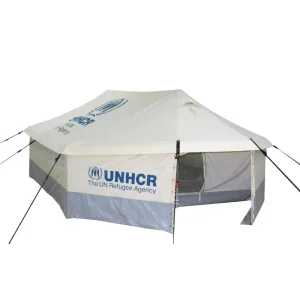
Deployment: Disaster response tarpaulins, UNHCR/UNICEF standard shelters.
Technical Spec: Lightweight yet ultra-tear-resistant PE/PVC sheets equipped with reinforced brass eyelets every 50cm, packaged for rapid air-drop deployment.
As global environmental policies tighten, industrial synthetic textile production must align with circular economy principles without compromising structural performance.
Transitioning from traditional orthophthalates (DEHP, DINP) to bio-derived plasticizers derived from castor oil and soybean oil. Reduces carbon footprint during chemical synthesis by 35% while meeting European REACH Annex XVII regulations.
Engineered PVC/TPU alloy coatings that enhance flex-fatigue durability at extreme sub-zero temperatures (-40°C) while maintaining flame retardancy and reducing total polymer mass by 15% per square meter.
Implementation of mechanical shredding and chemical delamination equipment at manufacturing facilities to process post-industrial edge trims and post-consumer tarps into secondary polymer compounds for construction drainage membranes.
Linyi Xinshengyang Plastic Products Co., Ltd. (Star Tarpaulins) operates a 30,000 m² fully integrated manufacturing matrix in Shandong, China. Eliminating third-party trading markups guarantees direct control over material science and batch consistency.
From initial HDPE/PP tape extrusion and high-speed water-jet weaving to double-sided film lamination, automated heat sealing, eyelet punching, and custom retail packaging—every step occurs under one roof.
Every batch undergoes hydro-static head pressure testing, ISO 13934-1 warp/weft tensile strength evaluation, eyelet tear-out force checks, and accelerated QUV weatherometer testing in our internal laboratory.
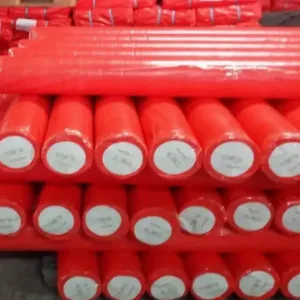
Mixed-container loading options allow global distributors to combine PE tarpaulin sheets, PVC rolls, layflat hoses, and weed barrier fabrics in a single FCL (Full Container Load) shipment, minimizing inventory carrying costs.
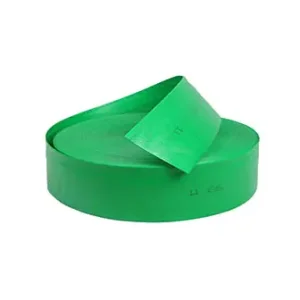
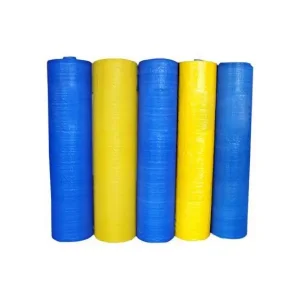
Specialized technical rolls, agricultural covers, layflat irrigation tubing, and high-tenacity woven fabrics.
Engineering clarity and purchasing parameters answered directly by our technical department.
Selection depends on structural lifespan and mechanical stress demands:
UV degradation occurs when solar ultraviolet radiation breaks polymer carbon chains. We incorporate 3% to 5% Hindered Amine Light Stabilizers (HALS) masterbatch directly into the melt extrusion stage. For extreme solar environments (e.g., Middle East, Australia, West Africa), our formulations are tested under accelerated QUV weathering lamps (ASTM G154 standards) to ensure retention of at least 80% tensile strength after 2,000 continuous UV hours.
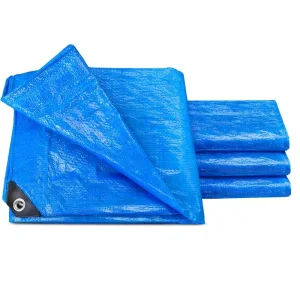
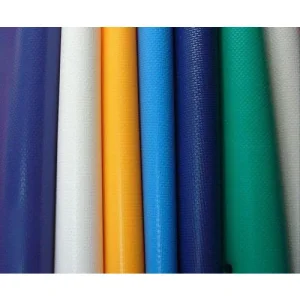
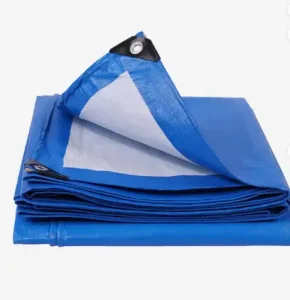
For standard stocked roll colors (such as double blue, green/silver, or blue/orange), MOQ starts from 3 metric tons or one mixed 20ft container. Custom weight (GSM), non-standard width, flame retardant additives, or custom logo printing require 5 metric tons per specification. Standard export production lead time is 15 to 25 days following pre-production sample approval and deposit receipt.
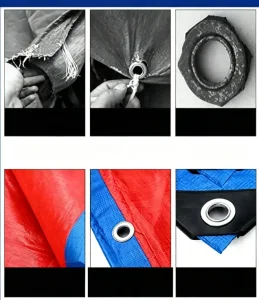
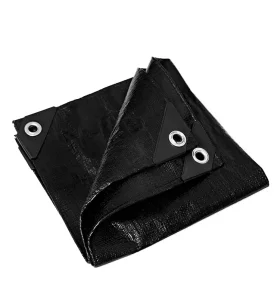
We provide full OEM fabrication capabilities including: high-frequency welded seams, PP/PE rope-hemmed edges, heavy-duty triangular plastic corner reinforcements, anti-rust aluminum or solid brass eyelets spaced at 50 cm or 100 cm pitch, surface flexographic printing up to 4 colors, and retail packaging (polybags with barcodes and color insert cards).
Yes, absolutely. We regularly host third-party inspection firms such as SGS, Bureau Veritas (BV), TÜV Rheinland, and Intertek. Our quality assurance team provides full access for sampling, dimensional verification, tensile strength pulling tests, eyelet pull-out tests, and container loading supervision.