
Engineered Rapid-Deployment Tent & Protective Fabrics
Precision-loomed and polymer-extruded technical fabrics designed specifically for all-weather warehousing, temporary agricultural shelters, and freight containment across the Vitebsk Oblast region.
-
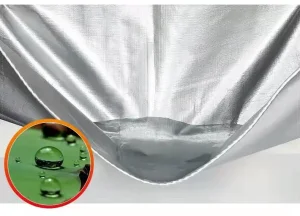
Vitebsk Heavy Industrial Waterproof Woven PE Tarpaulin - All-Season Shelter Solution
View Technical Specs -
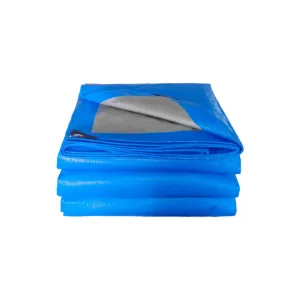
Cold-Resistant Anti-UV Plain Waterproof PE Tarpaulin for Vitebsk Construction Sites
View Technical Specs -
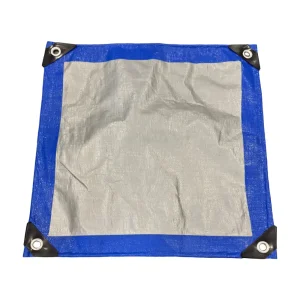
Agro-Industrial Blue Double-Faced Eco-Polyethylene Tarpaulin for Vitebsk Harvest Curing
View Technical Specs -
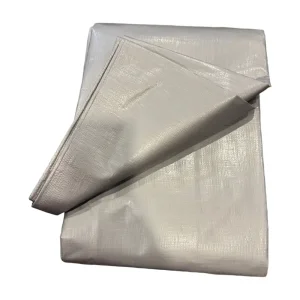
Sub-Zero Rated Brown PE Double-Faced Windproof Structural Fabric for Vitebsk Freight Terminals
View Technical Specs
Vitebsk Industrial Context: Navigating Climatic Rigor & Supply Chain Demands
The city of Vitebsk, located in northeastern Belarus along the Western Dvina basin, operates as a core northern industrial hub and transport gateway linking Eurasian rail corridors to Baltic and Eastern European markets. Within the Free Economic Zone (FEZ "Vitebsk"), enterprises involved in mechanical engineering, petrochemical processing, electronic components, wood refinement, and agricultural processing generate immense, year-round demand for high-performance engineered polymer textiles.
Unlike Western European temperate zones, Vitebsk undergoes extreme continental winter temperatures dipping to -25°C to -30°C, accompanied by sustained periods of heavy snowpack, high relative atmospheric humidity, and severe freeze-thaw cycles. Standard commercial polyethylene or inferior plasticized PVC tarpaulins frequently fail within their first winter season in Vitebsk due to cold-crack brittleness, micro-fissuring of the water-barrier coating, and stress-tear propagation along eyelets during heavy ice accretion.
Engineering for the Vitebsk Cold-Crack Threshold
Our direct-from-factory tent fabrics utilize virgin linear low-density polyethylene (LLDPE) plasticizer-free co-extrusion technology. This ensures extreme mechanical flexibility down to -40°C without the brittleness, chalking, or delamination typical of recycled polymer blends.
Furthermore, the agricultural processing facilities surrounding the Vitebsk region require massive temporary bulk grain shelters, fertilizer staging covers, and machinery winterization enclosures. Chinese manufacturing capacity—anchored by Linyi Xinshengyang Plastic Products Co., Ltd.—delivers precision-engineered 60 to 300 GSM PE and up to 900 GSM PVC coated technical fabrics that bridge the regional procurement gap between exorbitant local European distributors and inconsistent trading intermediaries.
Vitebsk Operating Specifications
-
Sub-Zero Tensile Retention Fabric maintains >92% warp/weft elongation elasticity at -35°C without flex cracking.
-
Static Snow Load Resistance Reinforced woven HDPE tape core (14x14 weave per inch) supports up to 1.8 kN/m² load when pitched.
-
Hydrostatic Water Head Barrier >2500 mm H&sub2;O double-sided lamination impenetrable to driving sleet and heavy spring thawing.
-
Chemical Inertness for FEZ Logistics High resistance to road salts, chemical sprays, diesel exhaust emissions, and industrial dust.
Global Procurement Trends & Macro-Engineering Solutions
Industrial supply chain directors are systematically moving away from disposable single-use tarpaulins toward circular-economy polyolefins and multi-axial composite tent membranes.
Architectural Clear-Span Structures
Modular clear-span structures, event marquees, and temporary warehousing domes require lightweight fabrics with high tensile-to-weight ratios. Industrial users demand fabrics that reduce structural steel support requirements while retaining dynamic snow and wind-load stability under Eurocode EN 13782 standards.
Polyolefin Circularity & REACH Compliance
Environmental directives across the Eurasian Economic Union (EAEU) and EU borders are penalizing heavy orthophthalate plasticizers found in conventional low-grade PVC tarps. We engineer 100% recyclable, halogen-free, heavy polyolefin composite sheets (HDPE woven scrim with LDPE/LLDPE coatings) that can be fully re-granulated at end-of-life.
Hindered Amine (HALS) Photostabilization
High-latitude ultraviolet reflection—amplified by winter snow cover in Vitebsk—accelerates polyolefin photodegradation. Our formulas incorporate synergistic Chimassorb and Tinuvin Hindered Amine Light Stabilizers (HALS) within both the core filament and outer lamination layers, ensuring a multi-year outdoor operational lifespan.
Engineering Specification & Performance Benchmark
Direct comparative test data from our Linyi quality verification laboratory, logging tensile, thermal, and barrier metrics validated for northern Eurasian deployment.
| Performance Characteristic | Light Agro/Utility PE (90-120 GSM) | Industrial Heavy PE (180-260 GSM) | Architectural Polypropylene (PP) | Knife-Coated Structural PVC (650+ GSM) |
|---|---|---|---|---|
| Base Fabric Construction | 8x8 / 10x10 circular loom HDPE | 12x12 / 14x14 high-denier HDPE | 12x12 micro-filament PP | 1000D x 1000D high-tenacity Polyester |
| Tensile Strength (Warp/Weft) | 450 N / 420 N per 5 cm | 1250 N / 1180 N per 5 cm | 1600 N / 1520 N per 5 cm | 2800 N / 2600 N per 5 cm |
| Tear Resistance (Tongue Tear) | 70 N / 65 N | 190 N / 185 N | 240 N / 230 N | 420 N / 390 N |
| Cold-Crack Flexibility Rating | -25°C (EN 1876-1) | -40°C (ISO 4675) | -20°C (Cold-brittle threshold) | -35°C (Cold flex modified) |
| Hydrostatic Barrier Pressure | > 1,500 mm H&sub2;O | > 2,500 mm H&sub2;O | > 2,200 mm H&sub2;O | > 10,000 mm H&sub2;O (Immersion safe) |
| Flame Retardancy Treatment | Standard UV treated | Optional CPAI-84 Class I | Bespoke additive treatment | DIN 4102 B1 / GOST 30244-94 G1 |
| Primary Application in Vitebsk | Crop cover, temporary firewood shield | Freight wrap, scaffolding enclosure | Chemical cargo liner, dry bulk bulkheads | Permanent truck curtains, clear-span domes |
Vitebsk Freight & Trade Pipeline
-
Direct China-Europe Rail Corridors Containerized transit via CR Express through Manzhouli/Zabaikalsk to Vitebsk rail freight yards in 16–22 days.
-
EAC & TR CU Technical Compliance Complete batch documentation aligned with Technical Regulations of the Customs Union (TR CU 017/2011).
-
Factory-Direct Dedicated Engineering Account Direct communication with extrusion chemical engineers—eliminating trading broker miscommunications.
-
Custom OEM Baling & Hard-Core Tube Crating Roll goods suspended on reinforced steel cores or shrink-palletized to protect coatings during intermodal shunting.
Eurasian Economic Union (EAEU) Compliance & Freight Optimization
Navigating commercial cross-border procurement for Vitebsk requires rigorous alignment with Eurasian customs regulations and logistical realities. Tarpaulin imports cleared through the Belarusian customs border necessitate unambiguous conformity with Technical Regulations of the Customs Union (TR CU 017/2011 "On the safety of light industry products") along with standardized sanitary-epidemiological documentation.
Linyi Xinshengyang Plastic Products Co., Ltd. provides certified export packages with every single 40-foot High Cube (40HQ) container. Our technical documentation includes certified test results verifying weight per square meter (±3% tolerance), warp/weft tear strength under GOST protocols, toxicological non-volatility disclosures, and certificate of origin (Form A / CO) paperwork enabling prompt customs clearance without costly demurrage in transit rail yards.
From a logistics perspective, our operations capitalize on regularized multimodal connections. Shipped directly from our production campus in Wanggou Industrial Park, Lanshan District, Linyi City, Shandong Province, goods connect via Qingdao or Lianyungang to China-Europe railway terminals, moving via Zabaikalsk or Brest directly to the Vitebsk central cargo freight stations, mitigating oceanic bottleneck risks and stabilizing delivery timetables within predictable 3-week bands.
Technological Roadmap: 2025–2030 Innovations
Forward-looking architectural membrane technologies currently moving through our research, prototyping, and accelerated climate-chamber testing pipelines.
PFAS-Free Hydrophobic Formulations
Developing molecularly bonded, fluoropolymer-free, water-repellent surface finishes conforming with emerging European chemical restrictions while exceeding 3,000 mm water column ratings.
Photocatalytic Nano-TiO&sub2; Self-Cleaning
Integrating titanium dioxide nano-particles within the outer protective lacquer layer to break down industrial soot, vehicular particulates, and organic stains under natural daylight exposure.
Bio-Circular Polyolefin Matrices
Advancing tape drawing technologies utilizing second-generation bio-naphtha polymer feedstocks, reducing cradle-to-gate carbon footprint by 40% without conceding tensile or cold-flex metrics.
Embedded Structural Strain Fibers
Prototyping conductive polymer tracers woven into structural tent membranes to monitor continuous mechanical stress and excessive snow loads in large industrial clear-spans.
Vitebsk Commercial Procurement Inquiries
In-depth technical answers addressing the real-world operational challenges of purchasing managers, structural engineers, and import brokers.
Why do standard tarpaulins crack and delaminate during Vitebsk winters?
Commodity tarpaulins use high ratios of recycled calcium carbonate filler and unbranched, stiff polyethylene that hits its glass transition temperature (Tg) around -10°C. Once frozen, physical fluttering under winter winds causes microscopic surface cracks that expose the interior scrim to moisture, triggering delamination. Our cold-rated lines blend virgin LLDPE and metallocene plastomers, shifting cold-crack tolerance safely down to -40°C.
Can you provide custom roll widths for industrial marquee structures?
Yes. In our Linyi production facility, we operate heavy-duty water-jet looms capable of weaving seamless flat fabric widths up to 2 meters. Furthermore, our continuous dual-head thermal welding line hot-joins panels up to 4m, 6m, and 8m wide with seam peel strength exceeding 80% of parent material tensile strength, eliminating field leaks in wide-span architectural tents.
What is the true weight tolerance compared to trading company supplies?
Commercial trading brokers often market a nominal GSM with a variance of ±10% to ±12%, meaning a declared 200 GSM tarp may arrive as 175 GSM. Because Linyi Xinshengyang extrudes our own tapes and controls our automated coating thickness via beta-gauge monitoring, we guarantee our delivered GSM holds strictly within ±3% of certified contractual specifications.
How do eyelets and hems perform under dynamic Vitebsk wind loads?
Eyelet failure is the leading cause of tarpaulin tearing. For industrial buyers in Vitebsk, we integrate high-strength PP rope (3mm–6mm) ultrasonically sealed into the hem envelope. Eyelets can be specified in solid nickel-plated brass or heavy-gauge aluminum, reinforced at corners with triangular molded polycarbonate patches spaced at bespoke intervals (50cm, 75cm, or 100cm pitch).
What is the standard production and shipping lead time to Vitebsk?
Standard production for a 40HQ container (approximately 22–26 metric tons, depending on product specification) is 15 to 25 days following technical drawing and deposit sign-off. Rail transport from China railheads directly to Vitebsk rail freight stations takes 16–22 transit days, resulting in a predictable 35–45 day factory-to-door timeline.
What Minimum Order Quantity (MOQ) is required for custom colorways or branding?
Standard factory color configurations (Blue, Brown, Silver, Green, Camouflage) in stock deniers begin at 1,000 kg. Bespoke regional requirements—such as custom dual-tone extrusions (e.g., White-Silver for temperature-controlled storage, or corporate color matching with UV flexographic perimeter printing)—require an MOQ of 3,000 kg to ensure optimal loom calibration and coating resin flow efficiency.
Specialty Industrial, Structural & Logistics Fabrics
Engineered solutions spanning reinforced multi-axials, shelter rolls, truck curtains, and custom retail-ready packaging designed for Vitebsk commercial distributors.
-
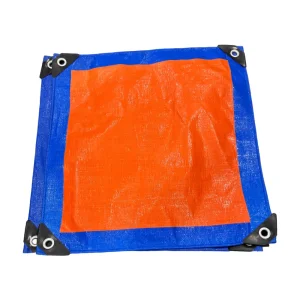
Vitebsk Heavy Duty 20x30ft Reinforced PE/PVC All-Weather Construction Membrane
View Technical Specs -
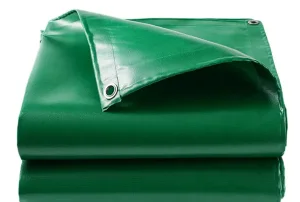
Forest Green PE Coated Anti-UV Waterproof Shelter Tarpaulin (4x5m Standard Panel)
View Technical Specs -
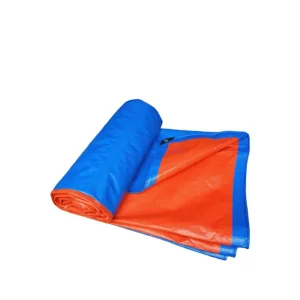
Medium-Heavy Industrial Grade Poly Tarp for Vitebsk Open-Air Storage Yards
View Technical Specs -
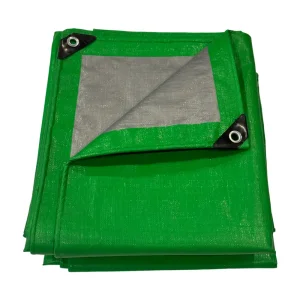
Architectural PE-Coated Polyester Fabric for Commercial Vitebsk Marquee & Tent Canopies
View Technical Specs -
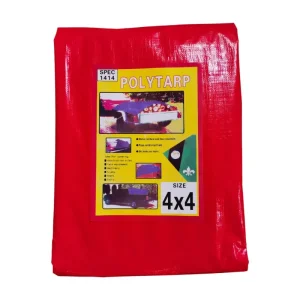
Peaked-Roof Container Shelter Tarpaulin Roll Fabric for Vitebsk Intermodal Hubs
View Technical Specs -
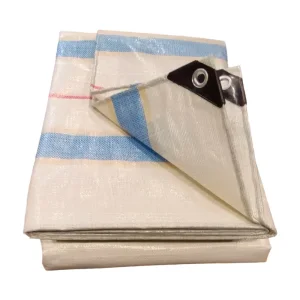
High-Visibility Tri-Color Striped Waterproof Fabric for Vitebsk Civil Works & Utility Shields
View Technical Specs -
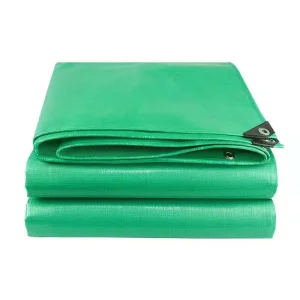
Ultra-Abrasion Heavy Haulage Truck Tarpaulin for Trans-Belarusian Road Transport
View Technical Specs -
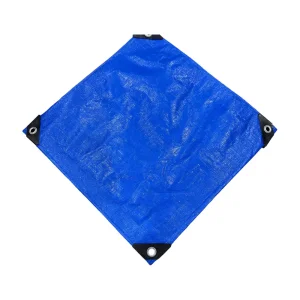
Precision-Printed OEM Commercial PE Tarpaulin with Tailored Branding for Vitebsk Retailers
View Technical Specs
Initiate Your Vitebsk Factory Direct Order
Connect directly with Linyi Xinshengyang Plastic Products Co., Ltd.'s export engineering team. Receive complete container loading configurations, custom GSM calculations, and formal CIF/FCA Vitebsk quotation packages within 24 business hours.
Send Inquiry Now